

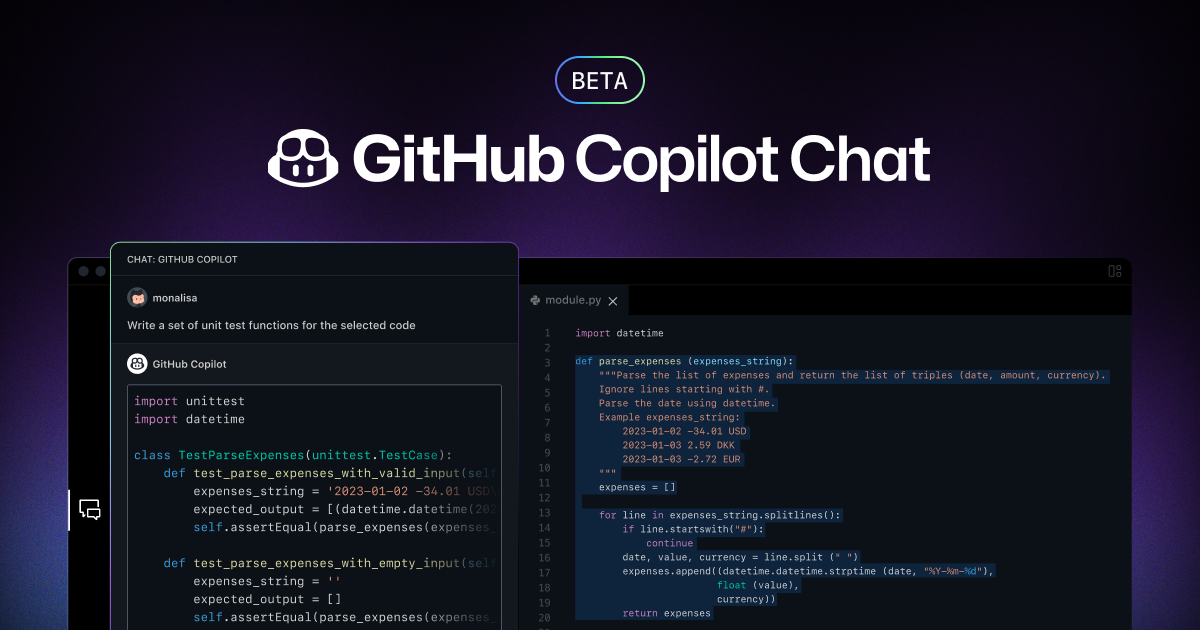
Microsoft’s GitHub Copilot has become one of the most popular AI coding assistants in the world, helping developers write code faster, debug applications, and automate repetitive programming tasks.
However, a major pricing change is now causing frustration across the developer community.
Starting June 1, GitHub Copilot will move away from its traditional flat-rate subscription model and introduce a token-based billing system. The change means users will be charged based on how much AI processing they use rather than paying a fixed monthly fee.
For some developers, the update could lead to significantly higher costs.
What Is Changing?
Until now, many GitHub Copilot users paid a predictable monthly subscription fee that allowed them to use AI-powered coding features without worrying about usage limits.
Under the new model, costs will be tied to token consumption.
Tokens are the units AI systems use to process prompts, generate code, and complete tasks. The more complex the requests, the more tokens are consumed.
This approach is already common among AI providers, but many developers were surprised by how much their expected costs could increase.
Why Developers Are Concerned
Following the announcement, developers began sharing their estimated future bills across online communities.
Some users claimed their monthly costs could rise dramatically compared to what they currently pay.
Others argued that developers who rely heavily on AI-generated code, long conversations, and advanced agent workflows could see the largest increases.
The pricing update has triggered a debate about whether AI coding tools are becoming too expensive for independent developers, freelancers, and small businesses.
The Rise of AI-Powered Development
Over the past two years, AI coding assistants have transformed software development.
Tools like GitHub Copilot can:
- Generate code automatically
- Suggest bug fixes
- Explain programming concepts
- Create documentation
- Help developers build applications faster
As these systems become more powerful, they also require larger amounts of computing resources.
That has increased operational costs for AI companies, many of which have been heavily subsidizing usage while the market grows.
Some Developers Defend the New Model
Not everyone is criticizing the pricing changes.
Some experienced developers argue that excessive usage often comes from inefficient workflows or overreliance on AI-generated code.
According to this view, developers who use Copilot strategically may not see major cost increases.
Supporters of the change also point out that advanced AI models consume significant computing resources, making usage-based pricing more sustainable in the long term.
A Bigger Question About AI Economics
The controversy highlights a growing challenge facing the AI industry.
Many AI products launched with low subscription prices to encourage adoption.
As usage increases and infrastructure costs continue rising, companies are now searching for business models that can support long-term growth.
The shift toward token-based pricing reflects a broader trend across the AI industry, where providers are increasingly charging customers based on actual usage rather than offering unlimited access.
What This Means for Developers
For software developers, startups, and technology teams, the pricing change could influence how AI tools are used in daily workflows.
Some organizations may introduce stricter usage policies, while others may explore alternative AI coding assistants with more predictable pricing.
The long-term impact will depend on whether the productivity gains provided by AI continue to justify the additional costs.
Final Thoughts
GitHub Copilot remains one of the most powerful AI coding assistants available today, but its new token-based pricing model has clearly sparked concern among many users.
As AI tools become more deeply integrated into software development, companies will need to find a balance between sustainable pricing and accessibility.
For now, developers are watching closely to see whether the new model delivers enough value to justify potentially higher monthly expenses.
Read More on VitalStack
- Is AI Learning to Improve Itself? The Rise of Recursive Superintelligence Explained
- Signal Users on Alert: Hackers Are Trying to Steal Private Chat Backups
- Microsoft Faces Massive Backlash After Threatening Security Researcher Over Windows Bugs
- The Internet Is Quietly Being Rebuilt for AI Agents And Most People Haven’t Noticed
- Tech CEOs Are Betting Big on AI – But Experts Warn of a Serious Problem
Enjoyed this article?
Subscribe for weekly deep-dives on AI and health — straight to your inbox.