
SpaceX is preparing for one of the most anticipated public offerings in technology history. As investors rush to participate in the company’s IPO, attention is turning toward the ambitious projects that could define SpaceX’s future beyond rockets and satellites.
While SpaceX is already known for revolutionizing space launches and satellite internet through Starlink, its long-term vision now extends into artificial intelligence infrastructure, advanced manufacturing, and next-generation space computing.
The company’s future growth story appears to be built around three enormous technological challenges that many experts consider among the most difficult engineering projects ever attempted.
Why Investors Are Excited About SpaceX
SpaceX has become a dominant force in the global space industry.
The company currently operates:
- A leading commercial launch business
- The Starlink satellite internet network
- Advanced rocket development programs
- Expanding AI infrastructure initiatives
Despite concerns about profitability and the risks associated with large-scale projects, investor demand for SpaceX shares remains exceptionally strong.
Much of that enthusiasm comes from Elon Musk’s vision of building infrastructure that extends beyond Earth.
Moonshot #1: Orbital AI Data Centers
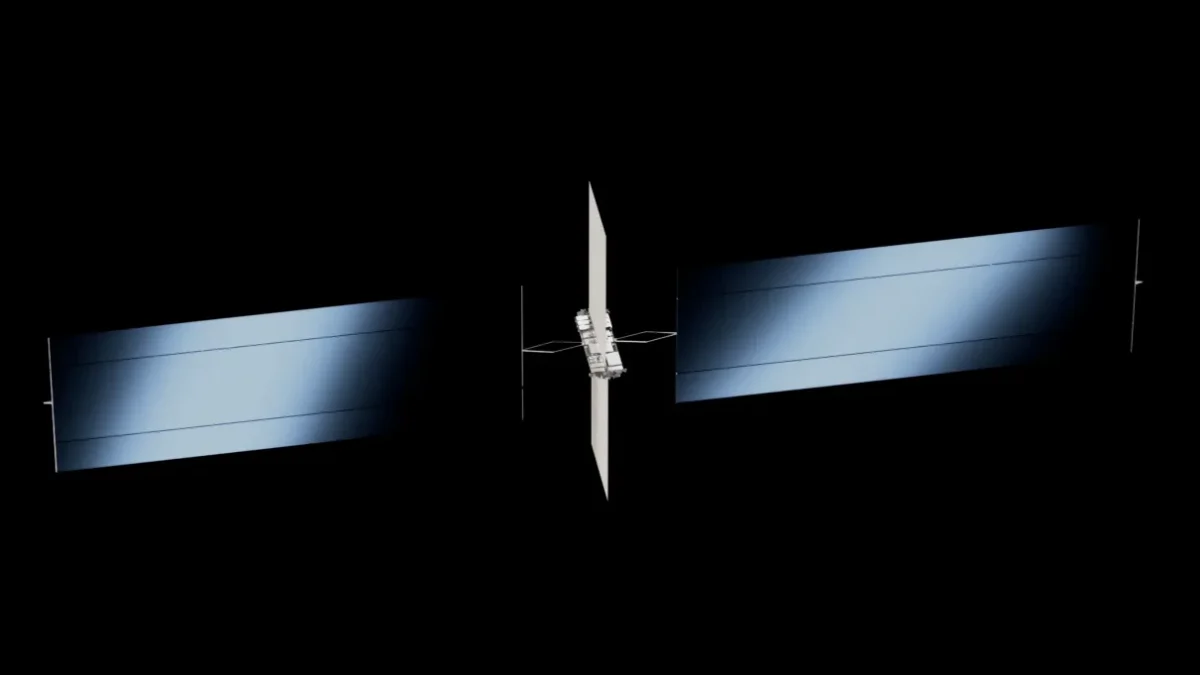
Perhaps the most ambitious idea associated with SpaceX is the concept of orbital AI data centers.
Instead of building massive computing facilities on Earth, SpaceX aims to place AI computing infrastructure directly in space.
Why Put Data Centers in Orbit?
Traditional AI systems require enormous amounts of:
- Electricity
- Cooling
- Physical space
- Network infrastructure
Orbital data centers could potentially address several of these challenges by leveraging:
- Continuous solar energy
- Reduced cooling requirements
- Global connectivity
- Scalable space-based infrastructure
If successful, this approach could fundamentally change how future AI models are trained and deployed.
However, the concept remains highly experimental and would require significant technological breakthroughs.
Moonshot #2: Fully Reusable Starship Rockets
A second critical pillar of SpaceX’s strategy is Starship.
What Makes Starship Important?
Launching large-scale infrastructure into orbit is incredibly expensive.
To make orbital data centers economically viable, SpaceX must dramatically reduce launch costs.
This is where Starship enters the picture.
The company is working toward:
- Rapid rocket reusability
- High payload capacity
- Frequent launch schedules
- Lower transportation costs to orbit
A fully reusable rocket system could make large-scale space construction practical for the first time in history.
While SpaceX has made significant progress, Starship is still under development and faces major engineering and regulatory challenges.
Moonshot #3: Building Advanced AI Hardware Infrastructure
The third major challenge involves producing enough AI computing hardware to support future ambitions.
AI development today depends heavily on powerful chips, processors, and specialized computing systems.
SpaceX is reportedly exploring ways to strengthen its access to advanced AI hardware and manufacturing capabilities.
This includes:
- High-performance AI processors
- Large-scale computing clusters
- Specialized infrastructure for machine learning workloads
- Future chip manufacturing initiatives
Building these capabilities could help SpaceX support both internal AI projects and external customers.
Why AI Is Becoming Central to SpaceX
Recent agreements involving large-scale AI computing services suggest that SpaceX sees artificial intelligence as a major business opportunity.
The company appears to be positioning itself at the intersection of:
- Space technology
- AI infrastructure
- High-performance computing
- Cloud-scale services
As demand for AI computing continues to rise worldwide, access to large amounts of computing power may become one of the most valuable assets in the technology industry.
The Challenges Ahead
Despite the excitement, significant risks remain.
For SpaceX’s vision to succeed, the company must:
Launch Infrastructure at Scale
Thousands of satellites and computing systems may need to be deployed into orbit.
Expand Manufacturing Capacity
Producing AI infrastructure at unprecedented scale requires new factories and supply chains.
Achieve Reliable Reusable Rocket Operations
Lower launch costs depend heavily on rapid and repeated rocket reuse.
Compete in the AI Market
The company will face competition from major players including Google, Microsoft, Amazon, OpenAI, and other AI infrastructure providers.
What This Means for Investors
SpaceX’s IPO is not simply a bet on rockets.
It is increasingly becoming a bet on:
- Future AI infrastructure
- Space-based computing
- Advanced manufacturing
- Next-generation communications systems
If even part of this vision succeeds, SpaceX could become one of the most influential technology companies of the next decade.
However, investors should also recognize that many of these projects remain highly ambitious and technically challenging.
Final Thoughts
SpaceX’s upcoming IPO represents more than a traditional public offering. It reflects a broader vision where artificial intelligence, advanced computing, and space infrastructure converge.
The company’s future may ultimately depend on whether it can successfully execute three extraordinary moonshots:
- Orbital AI Data Centers
- Fully Reusable Starship Rockets
- Massive AI Hardware Infrastructure
Together, these projects could redefine both the space industry and the future of computing.
For now, investors and technology enthusiasts around the world will be watching closely to see whether SpaceX can turn these ambitious ideas into reality.
Read More on VitalStack
- Meta Signs First AI Data Center Deal in India With Reliance: A Major Step for AI Infrastructure Growth
- WWDC 2026: Apple Unveils Siri AI, iOS 27, Apple Intelligence, and Major Software Upgrades
- NotebookLM Gets Smarter: Google Adds AI-Powered Research, Source Discovery and Advanced Export Features.
- Google Slashes AI Subscription Prices as Competition in the AI Market Heats Up
- Apple Introduces AI-Powered Bill Splitting with Siri Camera Feature at WWDC 2026
Enjoyed this article?
Subscribe for weekly deep-dives on AI and health — straight to your inbox.