

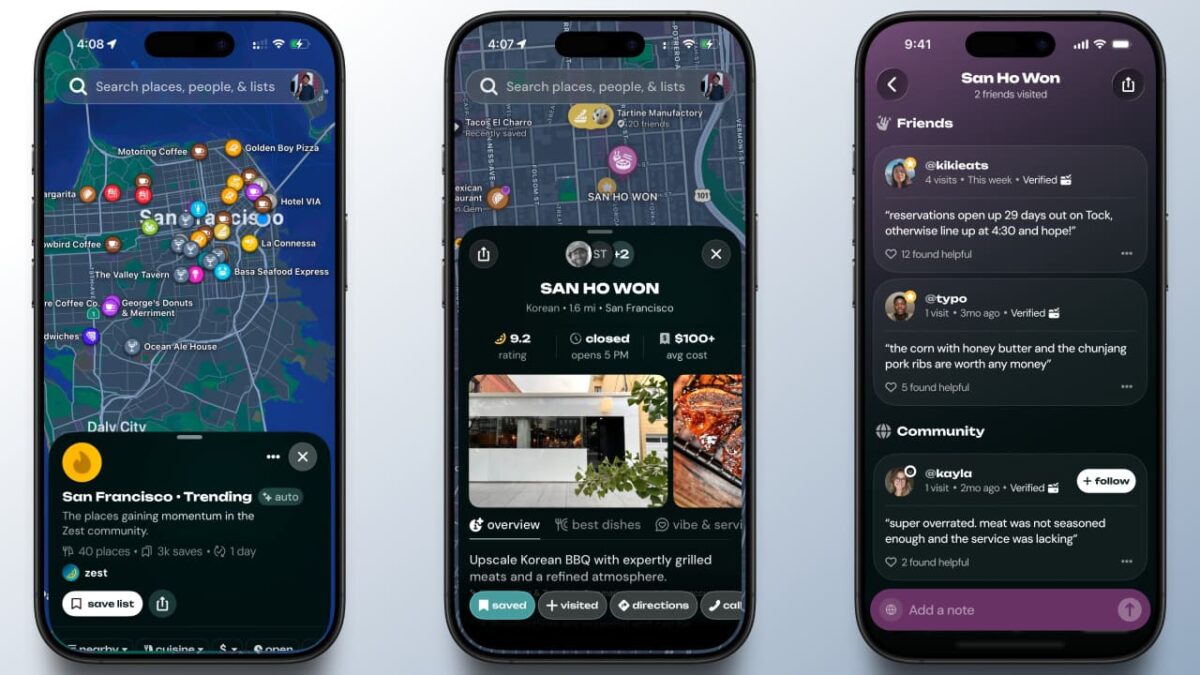
A new startup called Zest is trying to change the way people discover restaurants by using real-world dining data instead of relying only on ratings, reviews, or social media trends.
The company recently launched its restaurant discovery app to the public, introducing an AI-powered recommendation system that learns from where users actually eat. Unlike traditional restaurant apps that depend heavily on user reviews and wishlists, Zest connects to a user’s spending history and builds personalized recommendations based on verified dining activity.
How Zest Works
To get started, users connect their credit card through Plaid, a widely used financial technology platform. The app then identifies restaurant, café, and food-related transactions and creates a personalized dining profile.
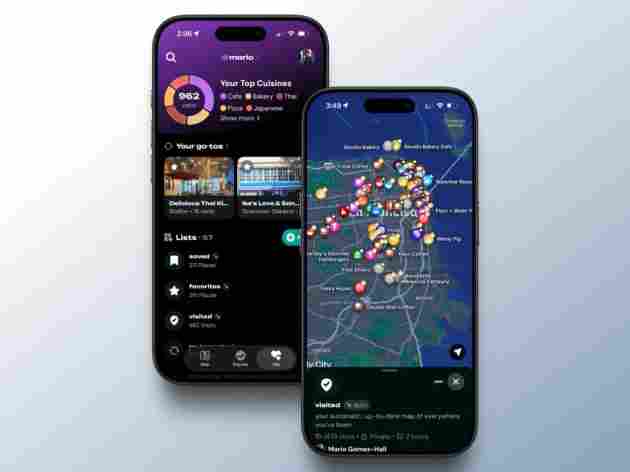
Instead of asking users to manually track restaurants, Zest automatically builds a map of places they frequently visit. The AI system analyzes dining habits and suggests new restaurants that match a user’s preferences.
According to the company, recommendations are generated using actual restaurant visits rather than social media popularity or influencer trends.
Personalized Restaurant Recommendations
One of Zest’s biggest goals is helping users discover local hidden gems.
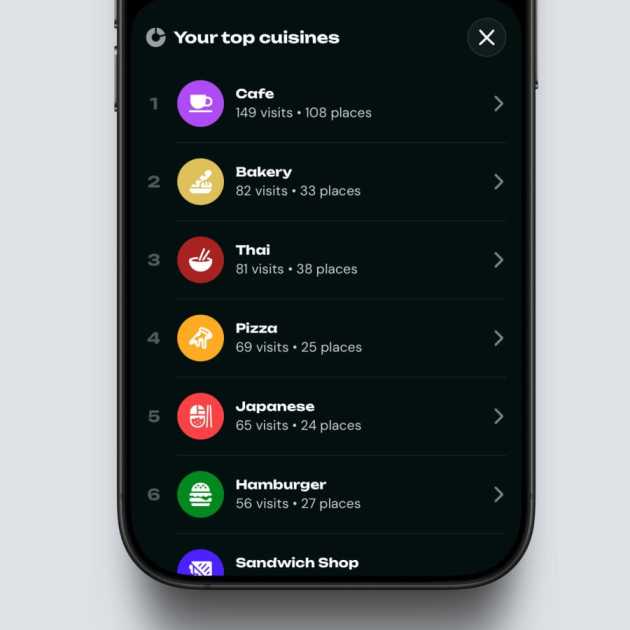
The platform tracks dining frequency, spending patterns, and preferred cuisines to recommend restaurants that fit a person’s tastes. Users can also follow friends, food creators, or other community members to discover new dining locations.
This approach allows recommendations to be based on genuine customer behavior rather than marketing campaigns or sponsored listings.
AI and Data Working Together
The app combines transaction data with artificial intelligence to create more relevant suggestions.
Zest also analyzes millions of online restaurant reviews from various sources across the internet. By combining AI insights with real-world spending patterns, the platform aims to offer more accurate recommendations than traditional restaurant discovery services.
The startup says its recommendation engine currently references over 80 million reviews while also learning from actual dining visits.
New Features Coming Soon
Zest plans to introduce several new features in upcoming updates.
One upcoming feature will allow users to add personal notes to restaurants, including reservation tips, menu recommendations, and dining experiences.
Another feature called Fresh Picks will function similarly to Spotify’s Discover Weekly playlist. It will provide users with a curated list of new restaurants to try each week based on their preferences.
Privacy and Security Considerations
Because the platform uses transaction data, privacy is an important consideration.
The company states that only food and beverage-related purchases are imported into the app. Financial details unrelated to restaurant visits are not used for recommendation purposes.
Data is processed through Plaid, which is already used by many banking, budgeting, and financial applications.
Can AI Improve Restaurant Discovery?
Restaurant recommendation platforms have existed for years, but many users still struggle to find trustworthy suggestions that match their tastes.
By combining AI with verified dining behavior, Zest is betting that actual spending habits provide a more accurate picture of what people genuinely enjoy than online ratings alone.
As AI-powered recommendation systems continue expanding across industries, Zest represents another example of how artificial intelligence is being used to personalize everyday experiences.
Final Thoughts
Zest enters a competitive market dominated by review platforms and food discovery apps, but its focus on real dining behavior gives it a unique position.
If the company can balance personalization, privacy, and useful recommendations, it could become a valuable tool for food lovers looking to discover restaurants beyond the usual top-rated lists.
As the platform grows, it may also expand into other lifestyle categories such as shopping, entertainment, and local experiences, creating a broader AI-powered discovery ecosystem.
Read More on VitalStack
- Decart Launches Oasis 3: A New AI World Model That Creates Photorealistic Driving Simulations
- Anthropic’s New AI Model Fable Faces Backlash Over Strict Cybersecurity Restrictions
- Snapchat Introduces New Safety Features for Teens, Limits Spotlight Sharing for Users Under 16
- The 3 Massive Tech Moonshots Driving SpaceX’s Historic IPO
- Meta Signs First AI Data Center Deal in India With Reliance: A Major Step for AI Infrastructure Growth
Enjoyed this article?
Subscribe for weekly deep-dives on AI and health — straight to your inbox.