Introduction
If you’re planning to become a backend developer in 2026, you’re probably asking one important question:
Which backend framework should I learn in 2026?
With so many backend technologies available today, choosing the right one can directly impact your performance, scalability knowledge, and long-term career growth.
In this guide, we’ll explore the best backend frameworks in 2026 based on real-world usage, speed, scalability, and job market demand.
Why Choosing the Right Backend Framework Matters in 2026
Modern applications are no longer small websites.
Today’s backend systems must:
- Handle thousands or even millions of users
- Maintain high performance under heavy traffic
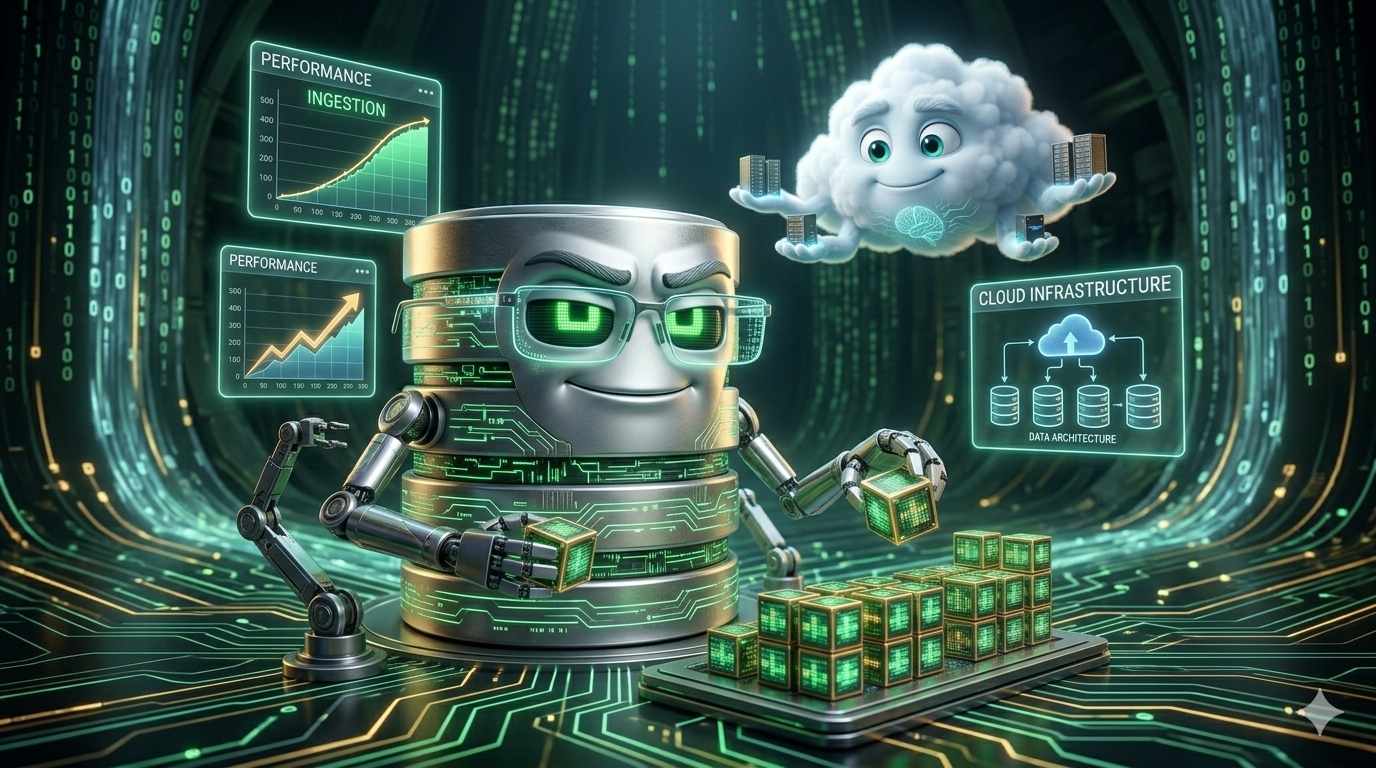
- Scale easily using cloud infrastructure
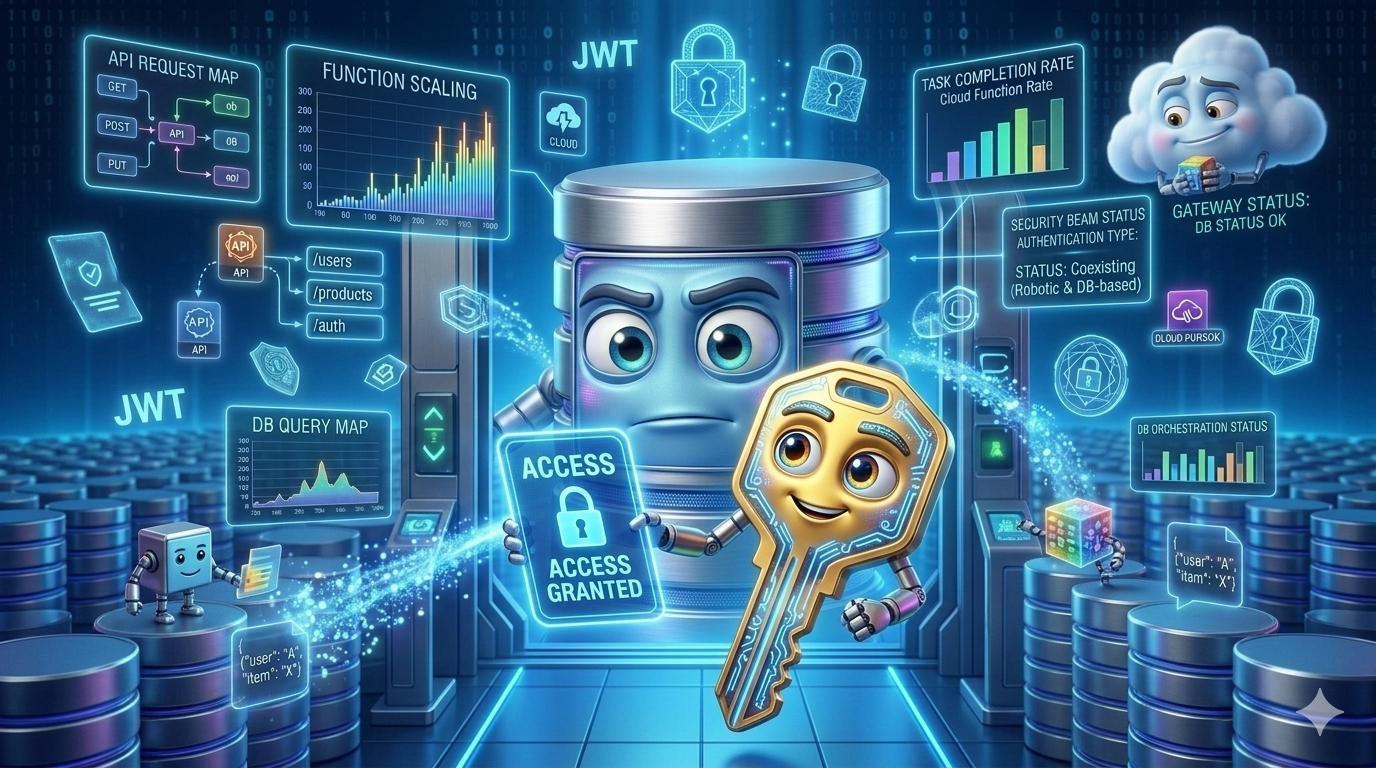
- Ensure strong security and API integrations
The right backend framework makes development faster, applications more scalable, and systems more reliable.
Now let’s explore the top backend frameworks developers are choosing in 2026.
1. Node.js (Express) – Best for SaaS and Startup Development
Node.js continues to be one of the best backend frameworks in 2026, especially for SaaS platforms and modern startups.
It is widely used for:
- Real-time applications
- REST APIs
- Chat systems
- Scalable web apps
Performance
Node.js uses a non-blocking, event-driven architecture that allows it to handle multiple requests efficiently.
Scalability
It works extremely well with microservices architecture and cloud deployment platforms.
Career Growth
Node.js developers are in high demand in startup ecosystems and product-based companies.
If you want to build scalable SaaS applications, Node.js is a strong choice.
2. Django (Python) – Secure and AI-Friendly Backend Framework
Django remains one of the most powerful backend frameworks in 2026.
It is especially useful for developers who want to combine backend development with artificial intelligence or data-driven applications.
Performance
Django offers a structured ORM and optimized database handling for structured applications.
Security
It provides built-in protection against common vulnerabilities like SQL injection and cross-site scripting.
Scalability
Django scales well when deployed using proper cloud infrastructure.
Career Growth
Because Python dominates AI and machine learning, Django developers benefit from long-term industry growth.
3. Spring Boot (Java) – Enterprise-Level Backend Solution
Spring Boot continues to dominate enterprise software development in 2026.
Large organizations prefer Spring Boot because of its reliability and scalability.
Performance
Spring Boot performs well under heavy enterprise traffic and complex system requirements.
Scalability
It supports microservices architecture and distributed systems efficiently.
Career Growth
Enterprise Java developers often receive competitive salaries and long-term job stability.
If your goal is enterprise backend development, Spring Boot is a safe long-term investment.
4. Laravel (PHP) – Developer-Friendly and Practical
Laravel remains a popular backend framework for web applications and startups.
It offers clean syntax and rapid development capabilities.
Performance
With improved caching and routing systems, Laravel performs well for small to mid-scale applications.
Scalability
It is ideal for MVPs, content-driven platforms, and SaaS projects.
Career Growth
Laravel developers find strong opportunities in web agencies and freelance markets.
5. ASP.NET Core – High Performance and Cloud Ready
ASP.NET Core is one of the fastest backend frameworks in 2026.
It integrates seamlessly with Microsoft’s Azure cloud platform.
Performance
It delivers high-speed processing and low memory usage.
Scalability
ASP.NET Core is built for cloud-native applications and enterprise systems.
Career Growth
Developers skilled in ASP.NET Core often work in corporate IT and global tech companies.
Backend Development Trends in 2026
The future of backend development is moving toward:
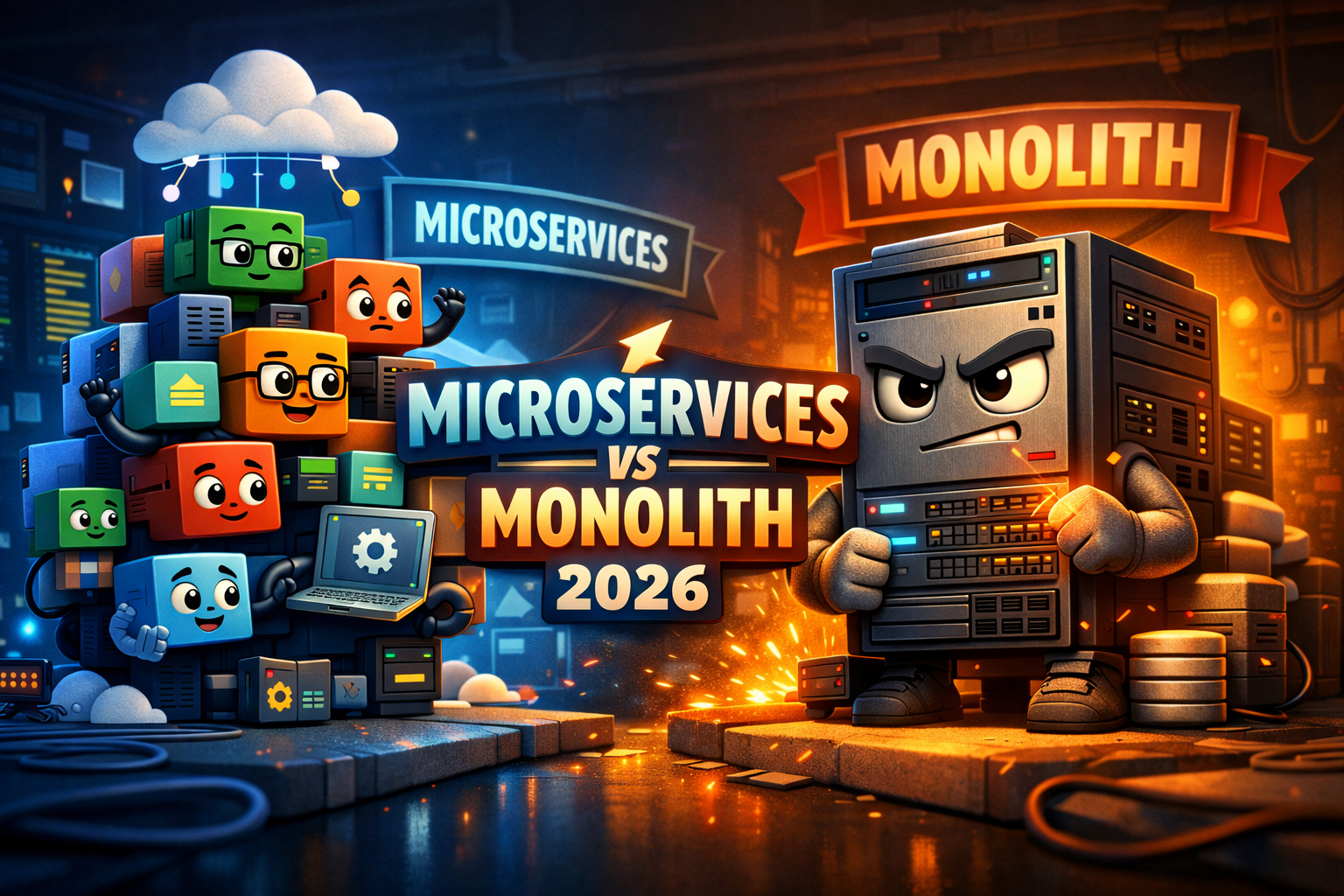
- Microservices architecture
- Serverless computing
- Cloud-native applications
- API-first development
- AI-assisted development
Learning a backend framework that supports these trends ensures long-term career stability.
Final Thoughts on the Best Backend Frameworks in 2026
There is no single “perfect” backend framework.
The best backend framework in 2026 depends on your goals:
- For startups and SaaS → Node.js
- For AI integration → Django
- For enterprise systems → Spring Boot
- For fast web development → Laravel
- For corporate cloud environments → ASP.NET Core
The most important factor is mastering one framework deeply and understanding system design principles.
Strong backend fundamentals will always be more valuable than following trends.
Frequently Asked Questions (FAQ)
Which is the best backend framework in 2026?
Node.js, Django, and Spring Boot are among the most popular backend frameworks in 2026 due to their scalability and job demand.
Which backend framework offers the highest salary?
Enterprise frameworks like Spring Boot and ASP.NET Core often offer higher salaries in corporate environments.
Is Python backend development a good career choice?
Yes. Python’s growth in AI and data science makes Django a strong long-term backend option.
Related Guides You Should Read
If you’re serious about building a successful tech career in 2026, you should also explore:
- 👉 What Is Technology? Simple Explanation for Beginners (2026 Guide)
- 👉 Are We Becoming Too Dependent on Artificial Intelligence?
- 👉 Best AI SaaS Business Ideas to Start in 2026
- 👉 How to Start an AI Automation Agency in 2026
These guides will help you understand technology trends, AI growth, and high-income skill opportunities in 2026.
Enjoyed this article?
Subscribe for weekly deep-dives on AI and health — straight to your inbox.