
Artificial intelligence is transforming nearly every industry, but not everyone agrees on how fast the technology is advancing or how much impact it will have on jobs and businesses.
A growing debate has emerged across the technology industry after Box CEO Aaron Levie suggested that some executives may be developing unrealistic expectations about AI’s capabilities. His comments have sparked conversations among founders, investors, employees, and technology experts about whether businesses are moving too quickly toward AI-driven decision-making.
Why the Debate Started
Aaron Levie recently argued that many CEOs are excited about the potential of AI but may not fully understand the real-world work required to make these systems effective.
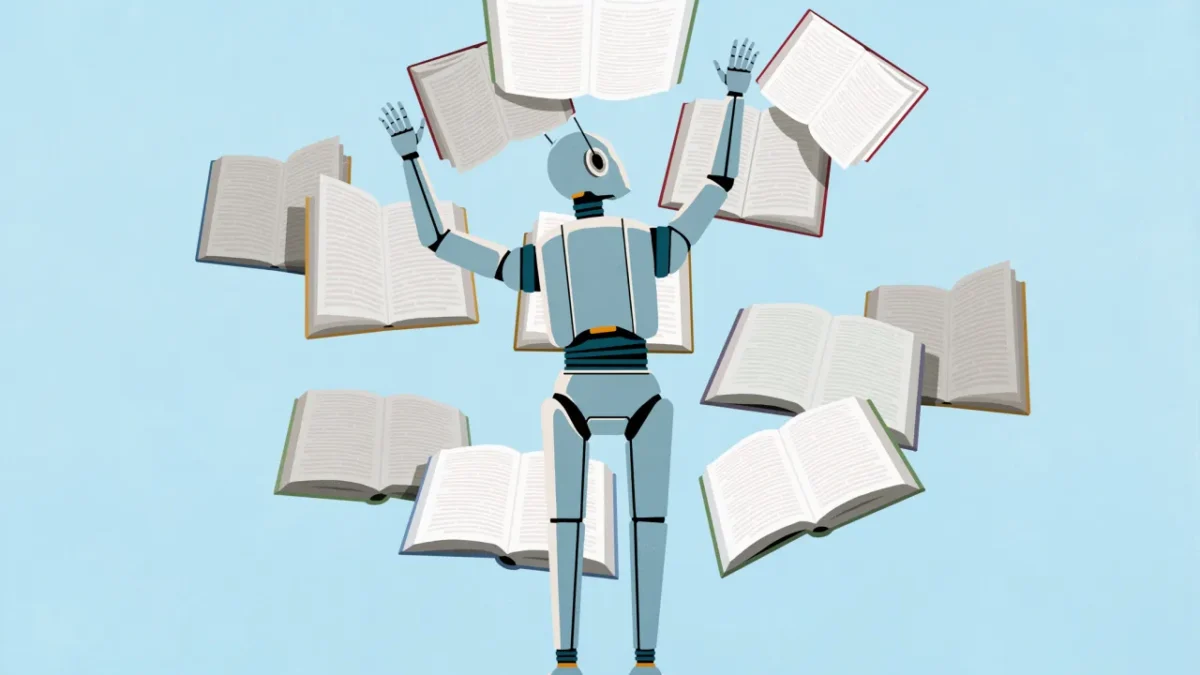
According to Levie, executives often see impressive demonstrations of AI tools and assume that entire workflows can be automated immediately. However, employees working directly with these tools frequently encounter limitations, including inaccurate responses, hallucinations, incomplete outputs, and the need for human review.
His comments are not anti-AI. Instead, they highlight the importance of understanding both the strengths and weaknesses of artificial intelligence before making major business decisions.
Growing Public Skepticism Around AI
The discussion comes at a time when public opinion about AI appears increasingly divided.
While millions of people use AI tools every day for writing, coding, research, and productivity tasks, others remain concerned about how AI is affecting jobs, privacy, and the quality of online information.
Recent reactions to AI announcements from major technology companies show that many users still prefer traditional search engines, human-generated content, and direct access to information rather than AI-generated summaries.
Some privacy-focused platforms have even reported increased user interest as consumers look for alternatives to heavily AI-powered experiences.
The Impact on Jobs and Workplaces
One of the biggest concerns surrounding AI is its effect on employment.
Many companies have started integrating AI tools into daily operations to improve productivity and reduce repetitive tasks. While supporters argue that AI helps employees work faster, critics worry that some businesses may be using AI as a justification for workforce reductions.
Industry experts believe the reality lies somewhere in the middle.
AI is unlikely to replace entire organizations overnight, but it is changing how people work. Employees who learn to use AI effectively may gain significant productivity advantages, while companies continue experimenting with new ways to combine human expertise and machine intelligence.
Are Businesses Moving Too Fast?
Technology companies face growing pressure to adopt AI in order to remain competitive.
This pressure can sometimes create a race to implement AI solutions before fully understanding their long-term benefits and limitations. Some experts believe businesses should focus less on AI hype and more on measurable results.
The most successful organizations are likely to be those that carefully evaluate where AI adds real value rather than adopting every new tool simply because competitors are doing so.
The Future of AI Adoption
Artificial intelligence is expected to remain one of the most important technology trends of the decade.
However, the current debate highlights an important reality: AI is not a magic solution for every problem. Businesses, executives, and employees must learn how to use these tools effectively while recognizing their limitations.
As AI continues to evolve, the conversation will likely shift from whether companies should use AI to how they can use it responsibly, efficiently, and sustainably.
Final Thoughts
The growing debate around “AI psychosis” reflects a broader question facing the technology industry: Are expectations for AI realistic, or are businesses getting ahead of themselves?
While artificial intelligence continues to deliver impressive innovations, long-term success will depend on balancing optimism with practical understanding. Companies that focus on real-world value rather than hype may ultimately gain the greatest advantage in the AI era.
Read More on VitalStack
- Nvidia Unveils AI Agent PCs With Microsoft, Dell, and HP – A New Era of Personal Computing Begins
- Google’s New AI Assistant Can Work 24/7 While You Sleep
- AI Bird Feeders Are Becoming the Surprise Smart Gadget Trend of 2026
- The Browser Wars Are Back: 10 Powerful Alternatives to Chrome and Safari in 2026
- GitHub Copilot’s New Pricing Sparks Developer Backlash as Costs Suddenly Rise
Enjoyed this article?
Subscribe for weekly deep-dives on AI and health — straight to your inbox.