


For years, Google Chrome and Apple’s Safari have dominated the web browser market. Most internet users rarely consider switching because these browsers come pre-installed on their devices and offer familiar experiences.
But 2026 is shaping up to be one of the most competitive years in browser history.
A new generation of browsers is emerging, combining artificial intelligence, privacy protection, productivity tools, and even digital wellness features. As AI becomes a larger part of everyday computing, browser developers are racing to redefine how people search, work, and interact online.
Here are some of the most interesting browser alternatives gaining attention in 2026.
AI-Powered Browsers Are Changing How We Browse
Artificial intelligence is becoming a core feature of modern web browsers.
Instead of simply displaying websites, these browsers can summarize content, answer questions, complete tasks, and help users find information more efficiently.
Comet by Perplexity
Comet is one of the newest AI-powered browsers entering the market.
The browser combines web browsing with conversational AI, allowing users to search, summarize content, manage emails, and perform online tasks through a chatbot-style interface.
The goal is to reduce the number of tabs and searches users need to complete everyday activities.
Dia by The Browser Company
The creators of Arc Browser have introduced Dia, a browser built around AI assistance.
Dia can understand the websites a user visits, summarize information, answer questions about content, and assist with research tasks.

Many industry observers view Dia as one of the strongest challengers in the AI browser category.
Opera Neon
Opera has entered the AI browser race with Neon.
The browser focuses on AI agents that can perform tasks such as online research, shopping assistance, content creation, and even basic coding support.
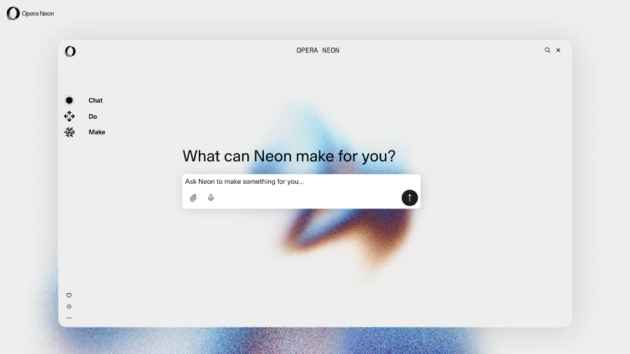
Opera aims to make browsers more proactive rather than simply acting as tools for viewing websites.
Privacy Browsers Continue to Gain Popularity
As concerns about online tracking continue to grow, privacy-focused browsers are attracting more users.
Brave
Brave remains one of the most popular privacy-first browsers available.

It blocks advertisements and trackers by default while offering optional rewards for users who choose to view privacy-respecting ads.
The browser also includes built-in security and AI-powered features.
DuckDuckGo Browser
Known for its privacy-focused search engine, DuckDuckGo has expanded its browser capabilities significantly.
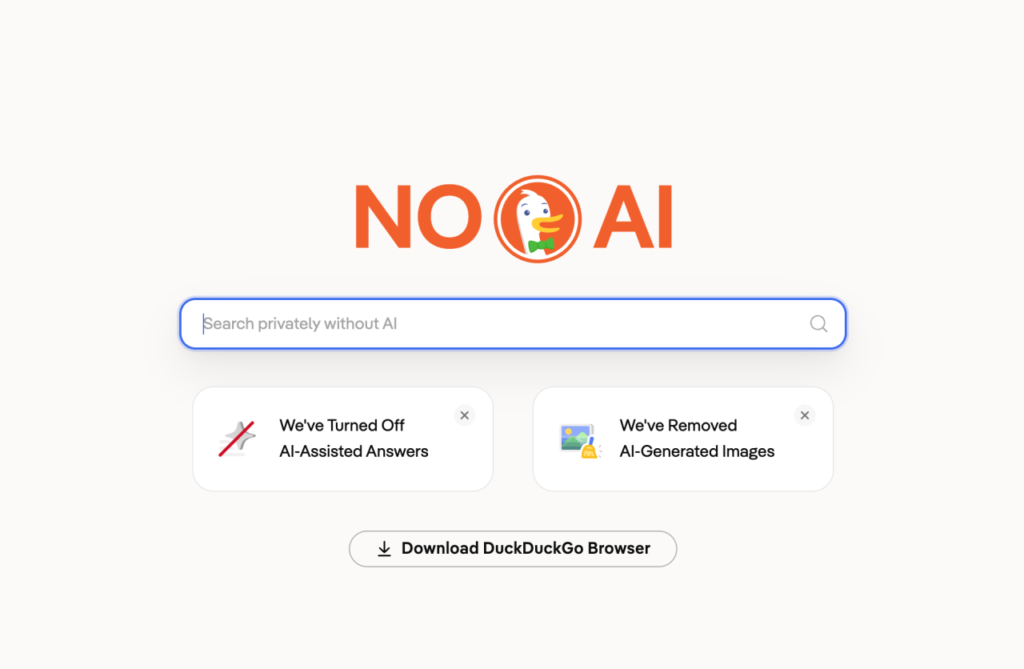
The browser focuses on preventing tracking, blocking scams, and reducing unwanted data collection while providing a simpler browsing experience.
Ladybird
One of the most ambitious browser projects in development is Ladybird.

Unlike many competitors, Ladybird is being built from scratch rather than relying on Google’s Chromium engine.
Developers hope this approach will provide greater independence, transparency, and control over the browsing experience.
Productivity-Focused Browsers Are Growing
Not every browser is competing solely on AI or privacy.
Some focus on helping users stay organized and productive.
SigmaOS
SigmaOS offers a workspace-based browsing experience designed primarily for professionals and power users.
Tabs can be organized like tasks, making it easier to manage projects, research, and workflows.
Recent updates have also introduced AI-powered features for summarizing and analyzing web content.
Zen Browser
Zen Browser focuses on creating a cleaner and less distracting online experience.

Users can organize tabs into dedicated workspaces, customize the interface, and install community-created enhancements.
Its open-source approach has helped it attract a growing community of users.
A New Category: Mindful Browsers
An interesting trend in 2026 is the rise of “mindful browsers.”
These browsers are designed to reduce digital stress and improve focus.
Opera Air
Opera Air includes features such as guided breathing exercises, break reminders, and focus-enhancing tools.
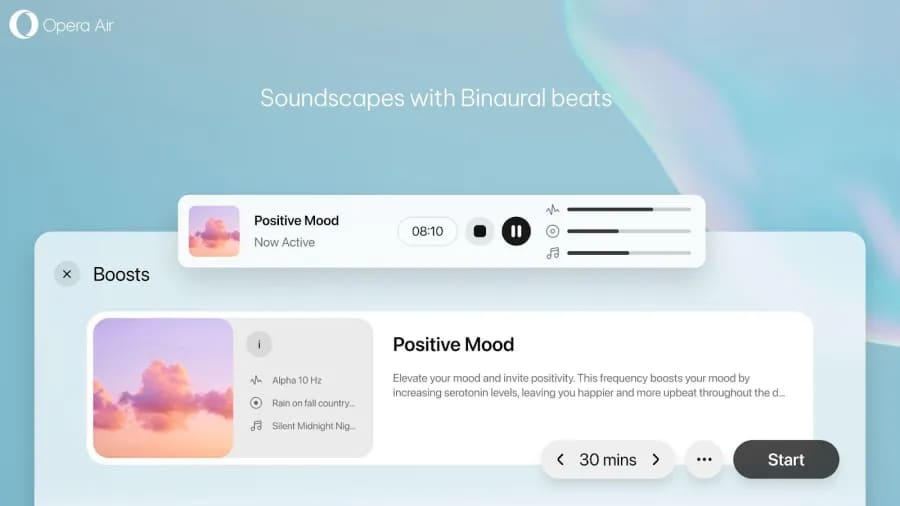
The idea is simple: browsing the web should support productivity and well-being instead of creating constant distractions.
Why Browser Competition Matters
More competition often leads to faster innovation.
For years, browser improvements focused mainly on speed and compatibility. Today, the battle has expanded into areas such as:
- Artificial Intelligence
- Privacy Protection
- Productivity
- Automation
- Digital Wellness
- Personalized Experiences
As a result, users have more choices than ever before.
Final Thoughts
The browser market is evolving rapidly as AI, privacy concerns, and productivity demands reshape how people interact with the internet.
While Chrome and Safari remain dominant, a growing number of alternatives are introducing features that challenge traditional browsing experiences.
Whether users prioritize AI assistance, stronger privacy protections, or better productivity tools, 2026 offers more browser choices than at any point in recent years.
The browser wars are no longer just about speed. They are now about who can build the smartest, safest, and most useful gateway to the internet.
Read More on VitalStack
- GitHub Copilot’s New Pricing Sparks Developer Backlash as Costs Suddenly Rise
- Is AI Learning to Improve Itself? The Rise of Recursive Superintelligence Explained
- Signal Users on Alert: Hackers Are Trying to Steal Private Chat Backups
- Microsoft Faces Massive Backlash After Threatening Security Researcher Over Windows Bugs
- The Internet Is Quietly Being Rebuilt for AI Agents And Most People Haven’t Noticed
Enjoyed this article?
Subscribe for weekly deep-dives on AI and health — straight to your inbox.