

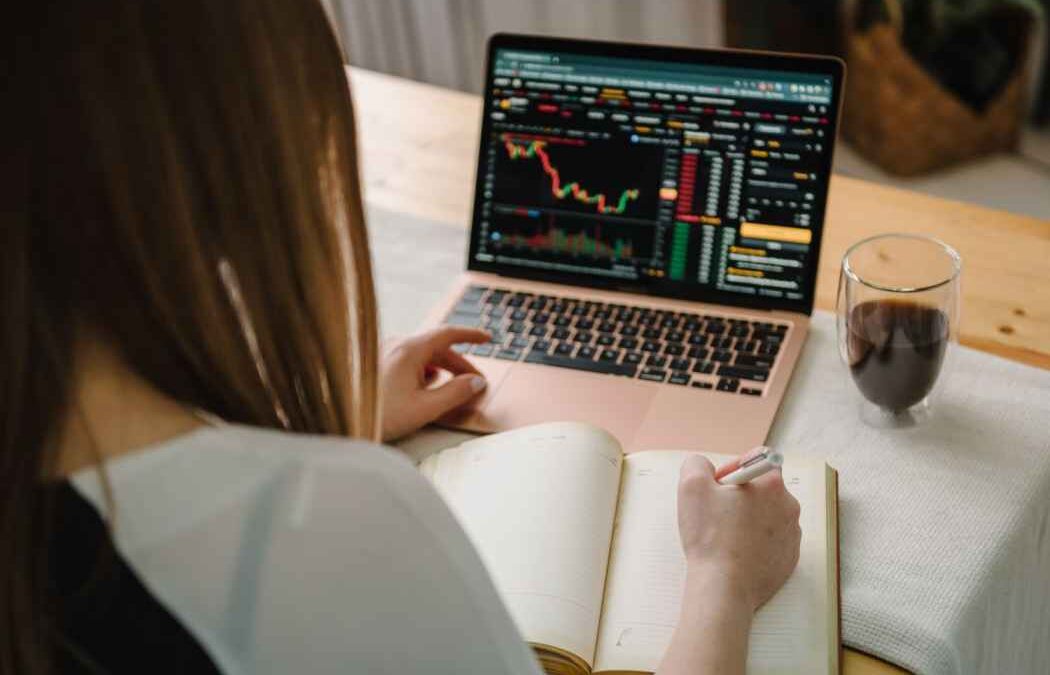
Artificial intelligence is transforming nearly every industry, and financial trading is no exception. One area seeing rapid growth is automated forex trading, where AI-powered systems help traders analyze markets, identify opportunities, and execute trades with minimal manual intervention.
As trading platforms become more sophisticated, many investors are exploring automated tools that can monitor currency markets around the clock. These systems, commonly known as forex robots or trading bots, are designed to follow predefined strategies and execute trades automatically when specific market conditions are met.
Why Automated Trading Is Gaining Popularity
The foreign exchange market operates 24 hours a day, making it difficult for individual traders to monitor opportunities continuously. Automated trading systems solve this challenge by scanning market conditions in real time and reacting instantly when trading signals appear.
Instead of manually analyzing charts throughout the day, traders can rely on software to perform repetitive tasks while maintaining a consistent strategy.
Some key benefits include:
- Faster trade execution
- Reduced emotional decision-making
- Continuous market monitoring
- Improved efficiency for active traders
- Ability to follow predefined trading rules
The Growing Influence of Artificial Intelligence
Modern trading platforms are increasingly incorporating AI and machine learning technologies. Unlike traditional bots that strictly follow fixed rules, AI-powered systems can analyze larger datasets and identify complex market patterns.
These technologies help traders process information more efficiently and may assist in detecting trends that could otherwise be overlooked.
However, experts caution that AI does not guarantee profits. Financial markets remain unpredictable, and even advanced systems can struggle during periods of extreme volatility or unexpected global events.
Popular AI Trading Tools and Platforms in 2026
Several trading platforms now use automation, machine learning, and advanced analytics to help traders make more informed decisions. Here are some widely known examples:
1. MetaTrader 4 (MT4) & MetaTrader 5 (MT5)
MetaTrader remains one of the most popular trading platforms worldwide. Traders can install Expert Advisors (EAs), which are automated programs that execute trades based on predefined strategies.
Best For:
- Forex traders
- Automated strategies
- Technical analysis
2. TradingView
TradingView is widely used for chart analysis and market monitoring. While it doesn’t execute trades directly, users can create automated alerts and connect supported brokers for semi-automated trading.
Best For:
- Market analysis
- Technical indicators
- Strategy testing
3. Interactive Brokers
Interactive Brokers provides advanced trading tools and API access for traders who want to build custom automated systems.
Best For:
- Professional traders
- Algorithmic trading
- Multi-asset investing
4. QuantConnect
QuantConnect allows developers and data scientists to build, test, and deploy algorithmic trading strategies using programming languages such as Python and C#.
Best For:
- Quantitative trading
- Backtesting
- AI-based strategies
5. TrendSpider
TrendSpider uses AI-powered chart analysis to identify market patterns, support levels, resistance zones, and trend opportunities automatically.
Best For:
- Technical traders
- Automated market research
- Pattern recognition
6. Trade Ideas
Trade Ideas uses artificial intelligence to scan stock markets and generate trading opportunities based on real-time market activity.
Best For:
- Day traders
- Market scanners
- AI-powered stock analysis
Important Note for Traders
While these platforms can improve efficiency and help identify opportunities, no trading tool can guarantee profits. Market conditions change rapidly, and all investments involve risk. Traders should conduct their own research, understand risk management principles, and avoid relying entirely on automated systems.
Why Traders Are Paying More Attention to Reviews
As interest in automated trading grows, so does the number of available trading tools. Choosing the right platform can be challenging because each solution uses different algorithms, strategies, and risk management approaches.
This has increased demand for independent reviews and performance analysis that help traders better understand how various platforms operate before making a decision.
Reliable reviews typically focus on:
- Transparency of trading strategies
- Historical performance data
- Risk management features
- User experience
- Security and platform reliability
The Challenges of Automated Trading
While automation offers convenience, it is not a substitute for financial knowledge and risk management.
Trading systems can experience limitations when market conditions change unexpectedly. Technical issues such as connectivity problems, software failures, or execution delays may also affect performance.
Financial professionals generally recommend using automated tools as part of a broader trading strategy rather than relying on them entirely.
What the Future Looks Like
Industry analysts expect automated trading technology to continue evolving as AI models become more powerful and accessible.
Future systems may offer:
- Smarter market analysis
- Enhanced risk management
- Better adaptation to changing market conditions
- More personalized trading strategies
- Improved transparency and reporting
As AI continues to reshape financial services, automated trading tools are likely to become an increasingly important part of the digital investment landscape.
Final Thoughts
The rise of AI-powered trading tools highlights how technology is changing the way individuals interact with financial markets. While automation can improve efficiency and help traders manage their time more effectively, success still depends on understanding risk, maintaining realistic expectations, and using technology responsibly.
For investors exploring automated trading, education, research, and careful platform selection remain just as important as the technology itself.
Read More on VitalStack
- Hacked, Leaked, and Held for Ransom: The Biggest Cybersecurity Breaches of 2026 So Far
- AI’s “Tokenpocalypse” Is Here: Rising Costs Force Companies to Rethink AI Spending
- Google Reportedly Signs Massive AI Compute Deal with SpaceX Worth $920 Million
- Beyond Instagram: The New Social Apps Challenging Big Tech in 2026
- Founders Share Shocking Venture Capital Horror Stories, Sparking Industry-Wide Debate
Enjoyed this article?
Subscribe for weekly deep-dives on AI and health — straight to your inbox.