
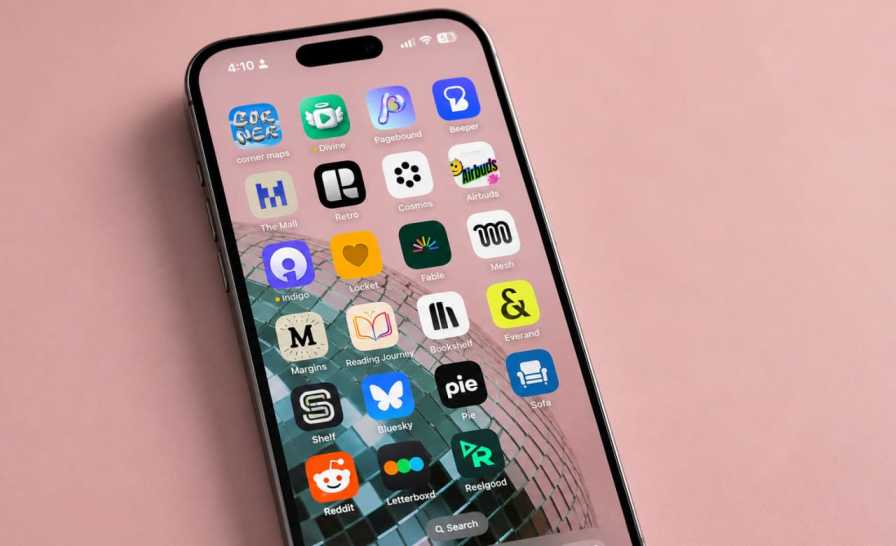
For more than a decade, platforms like Instagram, Facebook, TikTok, YouTube, Snapchat, and X have dominated the social media world. Billions of people use these apps every day to share photos, watch videos, communicate with friends, and discover new content.
However, a new wave of social networking apps is beginning to challenge the status quo.
Instead of focusing on endless scrolling, viral algorithms, and massive audiences, many modern social apps are designed around smaller communities, genuine connections, creativity, and personal interests.
In 2026, users are increasingly looking for alternatives that feel more personal and less overwhelming. From private photo-sharing networks to music-based communities and social shopping platforms, several startups are introducing fresh ideas that could shape the future of social networking.
Why Users Are Looking Beyond Instagram
Many users have started feeling frustrated with traditional social media platforms.
Common complaints include:
- Too many advertisements
- Algorithm-driven feeds
- Privacy concerns
- Endless scrolling habits
- Reduced visibility for friends and family content
- Increasing amounts of AI-generated content
As a result, younger users are exploring apps that offer more meaningful and focused experiences.
Retro: Bringing Back Private Photo Sharing
Retro is a photo-sharing platform created by former Instagram team members.
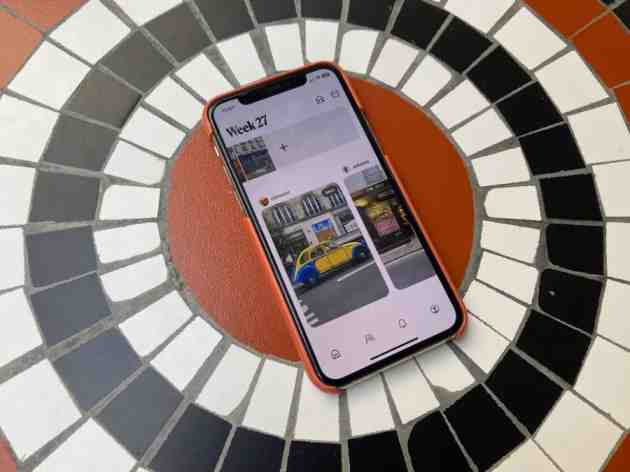
Unlike traditional social media, Retro focuses on close friends and personal memories rather than followers and influencers.
Users can:
- Share weekly photo highlights
- Create private albums
- Control who sees their photos
- Revisit old memories in a cleaner interface
The platform aims to make social networking feel more personal again.
Cosmos: A Creative Alternative to Pinterest
Creative users often struggle to find genuine inspiration online due to increasing amounts of repetitive AI-generated content.
Cosmos offers a different approach.
The app allows users to:
- Search inspiration by color
- Discover creative collections
- Follow designers and creators
- Build mood boards
- Shop products matching their style
For artists, designers, and creators, Cosmos is becoming a popular discovery platform.
Indigo: Managing Multiple Social Networks in One App
Many users today maintain accounts on both decentralized platforms like Bluesky and Mastodon.
Indigo simplifies this experience by combining both networks into a single application.
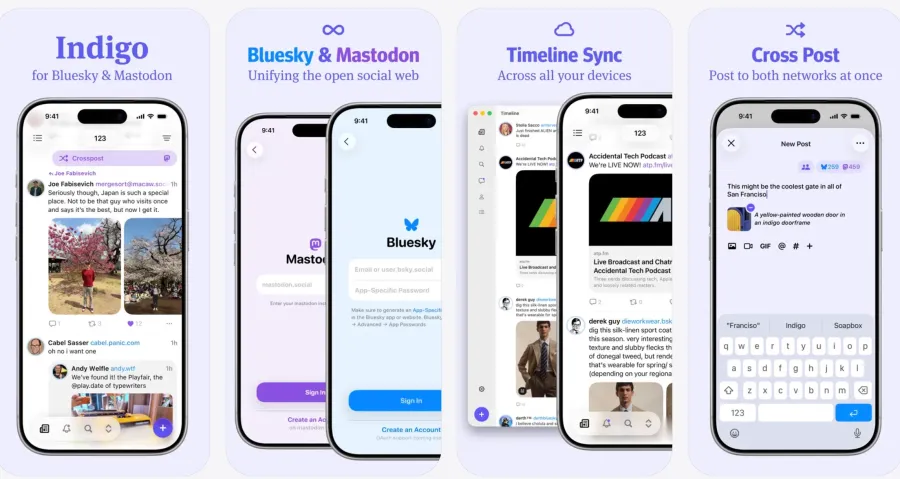
Key features include:
- Unified timeline
- Cross-posting support
- Custom feeds
- Advanced personalization options
Instead of switching between multiple apps, users can manage everything from one place.
Corner: Google Maps Meets Social Networking
Corner introduces a unique idea by turning location discovery into a social experience.
Users can create and share curated lists such as:
- Best coffee shops
- Hidden restaurants
- Local bookstores
- Music venues
- Travel recommendations
The app is particularly popular among Gen Z users looking for authentic local experiences.
Divine: The Return of Vine-Style Videos
For users who miss Vine’s legendary six-second videos, Divine offers a modern revival.
The platform includes:
- Six-second video creation
- Classic Vine content archives
- Creator-focused features
- Community-driven discovery
Several original Vine creators have already joined the platform.
Mesh: Smarter Networking for Professionals
Mesh acts like an intelligent relationship manager.
Instead of functioning as a traditional social network, it helps users maintain personal and professional relationships.
Features include:
- Contact management
- Activity tracking
- Professional updates
- Relationship reminders
For entrepreneurs and professionals, Mesh provides a modern networking solution.
Fable: Building Communities Around Books
Fable combines social networking with reading communities.
Users can:
- Join virtual book clubs
- Read ebooks
- Listen to audiobooks
- Share reviews
- Discover recommendations
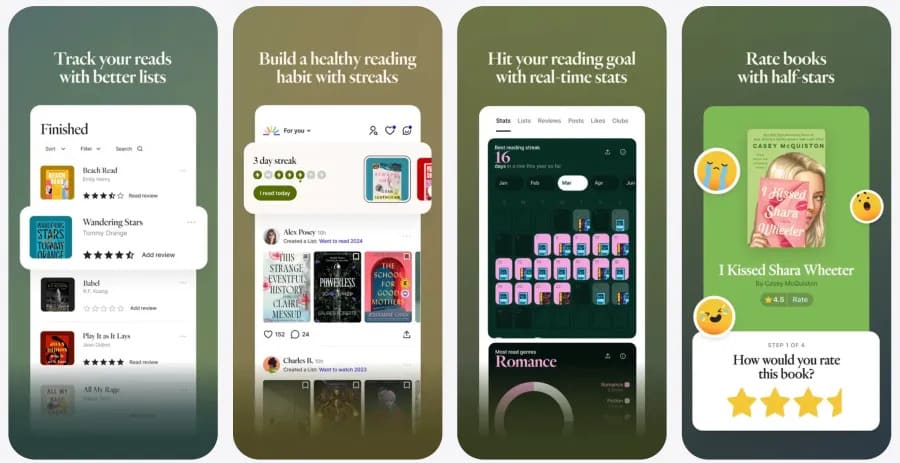
As interest in reading communities grows, Fable is becoming a strong alternative to traditional book-tracking platforms.
Locket: Friends Directly on Your Home Screen
Locket became popular by introducing a simple idea.
Friends can send photos that instantly appear on each other’s phone home screen widgets.
The experience feels personal, lightweight, and focused on close relationships rather than public engagement.
Airbuds: Social Networking Through Music
Music streaming platforms have struggled to create strong social experiences.
Airbuds attempts to solve that problem.
Users can:
- Share listening activity
- React to friends’ songs
- Compare music tastes
- Participate in music quizzes
- Discover new artists
The platform is gaining popularity among younger music enthusiasts.
The Mall: Making Online Shopping Social
The Mall transforms shopping into a community experience.
Users can:
- Follow favorite brands
- Discover fashion trends
- View friends’ collections
- Receive personalized recommendations
It combines elements of social media and e-commerce into a single platform.
Shelf: Organizing Your Digital Identity
Shelf helps users organize the content they love, including:
- Books
- Movies
- TV shows
- Music
- Personal interests
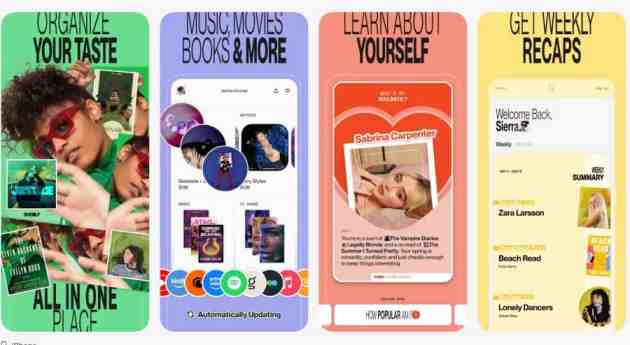
Unlike traditional social networks focused on popularity, Shelf emphasizes personal discovery and self-expression.
The Future of Social Media
The rise of these platforms highlights a larger shift in how people use technology.
Instead of giant social networks designed for maximum engagement, many users now prefer:
- Smaller communities
- Better privacy controls
- Interest-based experiences
- Authentic interactions
- Personalized content discovery
While Instagram, TikTok, and Facebook remain dominant, these emerging platforms demonstrate that the future of social media may be more diverse than ever before.
As digital habits continue to evolve, the next generation of social networking could look very different from the platforms that shaped the last decade.
Final Thoughts
The social media landscape is changing rapidly in 2026. New platforms like Retro, Cosmos, Corner, Divine, Airbuds, and Shelf are introducing fresh ideas focused on creativity, community, and genuine human connections.
Whether these apps become mainstream competitors or remain niche communities, they reflect an important trend: users are actively searching for alternatives to traditional social media experiences.
For anyone feeling overwhelmed by today’s algorithm-driven feeds, these next-generation social apps may offer a glimpse into a more personal and meaningful online future.
Read More on VitalStack
- Founders Share Shocking Venture Capital Horror Stories, Sparking Industry-Wide Debate
- NASA Temporarily Shelters Astronauts in SpaceX Dragon During ISS Leak Investigation
- WWDC 2026: Everything We Expect From Apple’s Biggest AI Event Yet
- The Hidden Cost of AI: Why Companies Are Struggling to Control Exploding Token Bills
- Filtr: The New Privacy Tool That Blocks Ads Across iPhone and Mac Appss
Enjoyed this article?
Subscribe for weekly deep-dives on AI and health — straight to your inbox.