Introduction
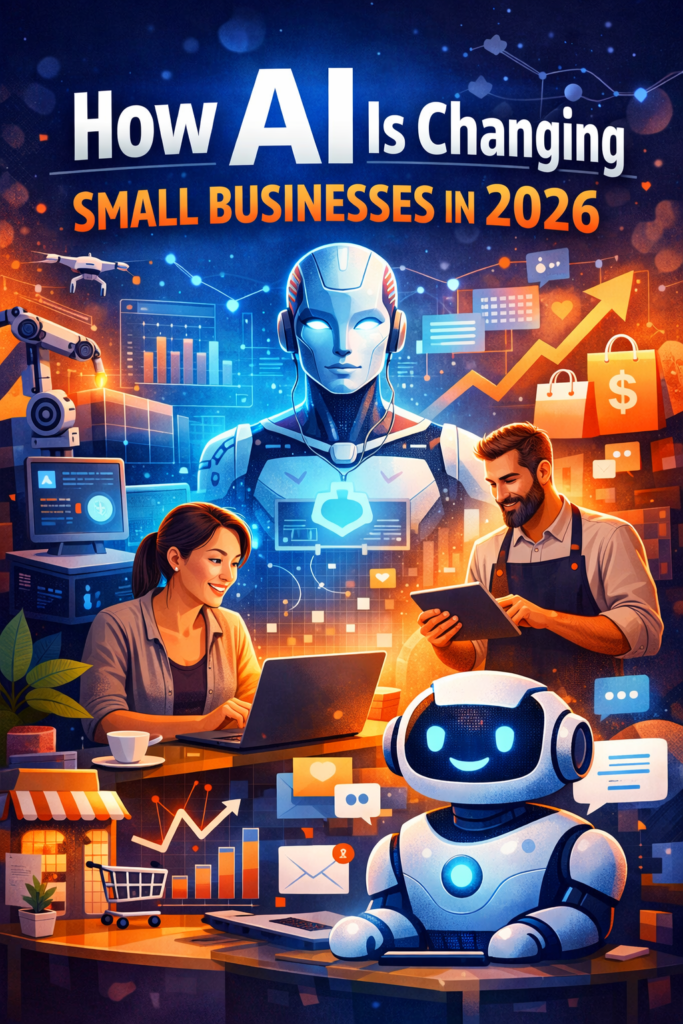
A few years ago, artificial intelligence sounded expensive and complicated. Most small business owners assumed it was built for tech giants like Google or Amazon.
In 2026, that assumption is outdated.
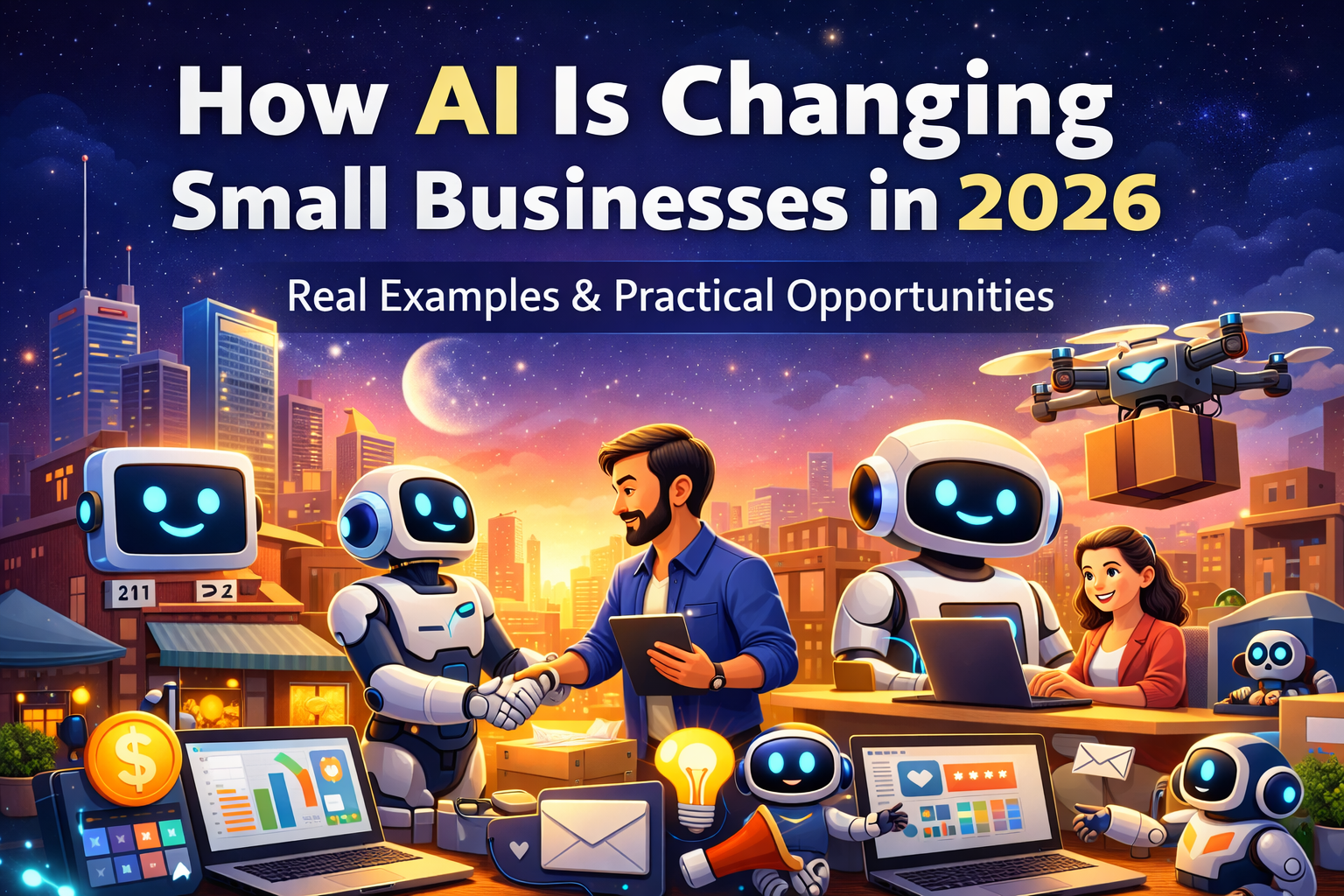
Today, AI tools are affordable, user-friendly, and built specifically for small teams. From local retailers to online startups, artificial intelligence is helping small businesses increase revenue, reduce costs, and compete with much larger companies.
So how AI is changing small businesses in 2026 — and what practical opportunities does this create?
Let’s break it down with real-world examples.
Why AI Adoption Is Growing Among Small Businesses
Running a small business means wearing multiple hats.
You manage:
- Marketing
- Customer support
- Bookkeeping
- Inventory
- Hiring
- Operations
Often with a very small team.
The biggest reason AI is changing small businesses in 2026 is simple:
It saves time while increasing output.
Instead of hiring multiple employees, business owners now use AI to automate repetitive tasks and focus on strategy and growth.
1. AI-Powered Customer Support Is Now Standard
Customer expectations have changed. People expect instant responses.
In 2026, even small businesses use AI chat systems powered by companies like OpenAI to:
- Answer common questions
- Track orders
- Schedule appointments
- Collect leads
- Provide 24/7 support
Real Example
A small dental clinic can now:
- Automatically confirm bookings
- Send appointment reminders
- Answer pricing questions
- Handle after-hours inquiries
Without hiring a full-time receptionist.
This reduces operational costs and improves customer satisfaction.
That is one clear example of how AI is changing small businesses in 2026.
2. Smarter Marketing With AI Tools
Marketing used to require agencies and large budgets.
Now AI tools help small businesses:
- Generate ad copy
- Create social media content
- Suggest SEO keywords
- Optimize campaigns
- Analyze performance data
Advertising platforms like Meta and Google Ads use built-in machine learning to improve ad targeting automatically.
This means small businesses can run professional-level campaigns without deep technical knowledge.
AI does not replace creativity — it accelerates execution.
3. AI Sales Forecasting and Data-Driven Decisions
Many small business owners make decisions based on instinct.
In 2026, AI tools analyze:
- Past sales
- Seasonal trends
- Customer buying behavior
- Pricing performance
Instead of guessing, owners get data-backed insights.
For example, a small clothing store can use AI analytics to:
- Predict high-demand items
- Adjust pricing dynamically
- Reduce unsold inventory
- Increase profit margins
This reduces risk and improves planning accuracy.
4. Automated Email Marketing That Increases Revenue
Follow-ups drive sales — but they require time.
AI-powered email systems now:
- Send personalized product recommendations
- Recover abandoned carts
- Segment customers automatically
- Trigger promotions based on behavior
A small eCommerce brand can increase revenue significantly using automation without hiring a marketing team.
This is one of the most profitable ways AI is changing small businesses in 2026.
5. AI Content Creation and Branding Support
Content marketing remains powerful in 2026.
Small businesses use AI to:
- Draft blog posts
- Create product descriptions
- Write newsletters
- Generate branding ideas
- Repurpose content
However, successful businesses still edit and personalize AI content.
The winning formula is:
AI speed + Human authenticity
Is AI Expensive for Small Businesses in 2026?
No.
Most AI platforms operate on affordable monthly subscriptions.
Instead of building custom software, small businesses can:
- Start with one tool
- Measure return on investment
- Expand gradually
This low barrier to entry is one major reason how AI is changing small businesses in 2026 so rapidly.
Risks Small Businesses Should Consider
AI is powerful — but not perfect.
Business owners should:
- Review AI-generated content
- Avoid sharing sensitive data without safeguards
- Stay compliant with privacy regulations
- Maintain human oversight
AI should assist decisions — not make final judgments.
Smart implementation matters more than blind automation.
New Opportunities for Entrepreneurs
As AI adoption increases, new service opportunities are emerging.
Entrepreneurs can now build businesses around:
- AI automation setup
- Chatbot implementation
- Workflow optimization
- AI marketing consulting
- AI training for small teams
Even platforms connected to companies like Microsoft offer automation ecosystems that consultants can help configure.
This means AI is not only transforming small businesses — it is creating entirely new income streams.
The Bigger Picture: Competitive Advantage
In 2026, the fastest-growing small businesses are not necessarily the biggest.
They are the most efficient.
Artificial intelligence allows small businesses to:
- Compete with larger competitors
- Reduce overhead costs
- Improve customer experience
- Make smarter financial decisions
- Scale without large hiring budgets
This shift is redefining entrepreneurship.
Understanding how AI is changing small businesses in 2026 is no longer optional — it is essential for survival.
Final Thoughts
Artificial intelligence is no longer about futuristic robots.
It is about practical efficiency.
Small businesses that adopt AI strategically gain an advantage not because they replace people, but because they improve systems.
The question is no longer:
“Should small businesses use AI?”
The better question is:
“How quickly can you implement it wisely?”
Frequently Asked Questions (FAQ)
How AI is changing small businesses in 2026?
AI is helping small businesses automate customer service, improve marketing, forecast sales, optimize pricing, and increase operational efficiency.
Is AI suitable for very small businesses?
Yes. Many AI tools are affordable and designed for non-technical users.
Will AI replace small business employees?
In most cases, AI supports employees by handling repetitive tasks rather than replacing them.
How can a small business start using AI?
Start with one department such as marketing or customer support. Test tools, measure results, and scale gradually.
🔗 Related Articles You May Like
If you’re planning to build a high-income tech career, these guides will help you:
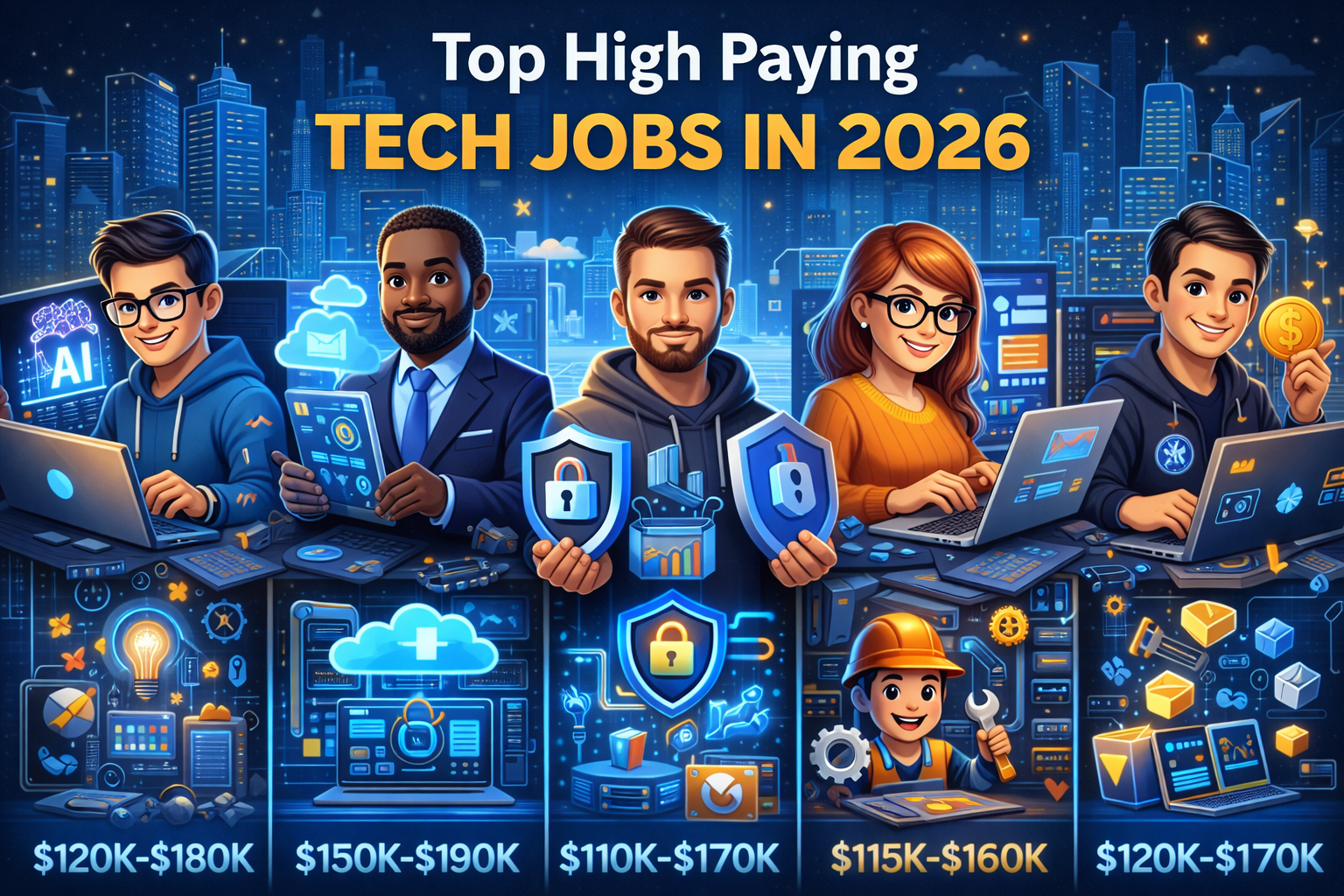
👉 Top High Paying Tech Jobs in 2026
👉 Best AI Tools to Make Money Online in 2026
👉 Best AI SaaS Business Ideas for Beginners
These resources will help you understand career paths, salary trends, and the skills needed to succeed in the tech industry.
daily propmt
Enjoyed this article?
Subscribe for weekly deep-dives on AI and health — straight to your inbox.