

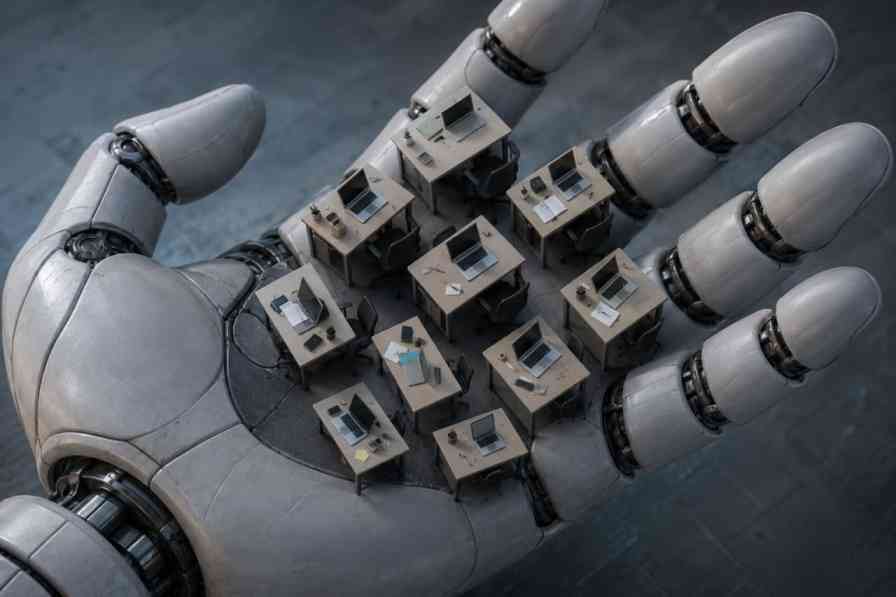
Artificial intelligence is rapidly transforming the technology industry, but the shift is also having a significant impact on jobs.
Several of the world’s largest technology companies have announced workforce reductions throughout 2026, with many executives openly citing AI adoption, automation, and organizational restructuring as key reasons behind the cuts.
The latest company to reveal major workforce changes is Oracle, which disclosed that it reduced its global workforce by approximately 21,000 employees over the past 12 months. According to the company, the increasing adoption of AI technologies across its operations contributed to the reduction.
AI Is Reshaping the Modern Workplace
The growing use of AI tools is changing how companies operate. Tasks that previously required large teams can now be completed faster with the help of AI-powered systems, leading organizations to rethink staffing needs and operational structures.
While many companies report strong financial performance and rising revenues, they are simultaneously reducing headcount and investing heavily in AI infrastructure, automation platforms, and next-generation technologies.
Industry analysts note that AI has become one of the most frequently mentioned reasons behind technology sector layoffs in 2026.
Major Tech Companies Announcing AI-Related Job Cuts
Several well-known technology firms have announced significant workforce reductions this year:
Oracle
Oracle revealed that its workforce declined by roughly 21,000 employees over the last year. The company stated that AI adoption has improved operational efficiency and may continue to influence workforce requirements in the future.
GitLab
GitLab reduced approximately 14% of its workforce as part of a strategy to expand AI infrastructure and support growing demand for AI-powered workloads.
Google has continued organizational restructuring across multiple divisions, including cloud and cybersecurity teams, while simultaneously increasing investments in artificial intelligence and cloud computing.
Intuit
Financial software company Intuit announced plans to eliminate around 3,000 positions while reallocating resources toward AI-focused initiatives.
Meta
Meta reduced its workforce by roughly 8,000 employees while shifting thousands of workers into AI-related projects and product development teams.
Cisco
Cisco announced job reductions as it redirected investments toward AI, security technologies, networking infrastructure, and silicon innovation.
Cloudflare
Cloudflare cut approximately 20% of its workforce while reporting record-breaking revenue growth. The company cited operational efficiency and organizational restructuring as contributing factors.
Coinbase
Cryptocurrency platform Coinbase reduced staffing levels and stated that AI tools are significantly increasing employee productivity and operational efficiency.
Microsoft
Microsoft continues to streamline teams while increasing investments in AI research, cloud services, and next-generation productivity technologies.
Amazon
Amazon has reduced thousands of corporate roles as the company expands the use of AI-powered systems across its business operations.
AI Creates Opportunities While Eliminating Certain Roles
Despite workforce reductions, many companies continue hiring for specialized positions in artificial intelligence, machine learning, cloud infrastructure, cybersecurity, and data engineering.
Industry leaders argue that AI is not simply replacing jobs but changing the skills organizations require. As automation handles repetitive tasks, demand is growing for professionals who can build, manage, and optimize AI-driven systems.
However, the pace of change has raised concerns among employees and labor experts, particularly as profitable companies continue reducing staff while increasing AI investments.
The Future of Work in the AI Era
The ongoing wave of layoffs highlights a broader transformation taking place across the global technology sector.
Companies are increasingly focusing on leaner teams, automation, and AI-powered workflows to improve productivity and reduce costs. At the same time, workers are being encouraged to develop AI-related skills to remain competitive in an evolving job market.
As artificial intelligence becomes deeply integrated into business operations, experts expect workforce structures across many industries to continue changing over the next several years.
While AI promises innovation and efficiency, its long-term impact on employment remains one of the most important questions facing the technology industry today.
Source: Tech Crunch
Read More on VitalStack
- Apple Expands AI Across iPhone With Practical iOS 27 Features Beyond Siri
- In the Weights: The AI Search Tool That Shows How Well Chatbots Know You
- Pinterest Launches ‘Ask Pinterest’ to Make Shopping and Product Discovery More Conversational
- Coinbase Launches AI Agents That Can Automatically Manage and Trade Crypto Portfolios
- Android 17 Launches with New Multitasking Tools and Powerful Gemini AI Features
Enjoyed this article?
Subscribe for weekly deep-dives on AI and health — straight to your inbox.