
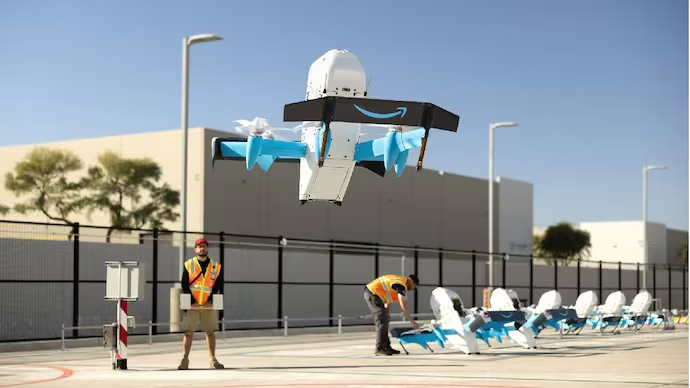
Amazon is planning a major expansion of its Prime Air drone delivery service, with the company aiming to reach nearly 500 cities and towns by the end of 2026.
The expansion would significantly increase the current reach of Prime Air and bring autonomous drone deliveries to millions of additional customers.
AI helps drones fly without constant human control
Prime Air uses autonomous flight technology to help drones navigate and avoid obstacles. Amazon’s Detect-and-Avoid system uses onboard cameras and sensors to identify objects and make flight decisions during a delivery.
Amazon says the drones can handle unexpected situations and are designed to land safely when necessary. The company also says camera footage is processed by the drone for navigation rather than being continuously monitored by a person.
The drones are fully electric and are designed to operate in conditions such as light rain and different temperatures.
Packages can arrive in as little as 30 minutes
Prime Air is designed for smaller orders weighing up to five pounds (about 2.27 kg). Amazon says this covers a large portion of the products customers frequently purchase.
Eligible items can include groceries, electronics, household products, cosmetics and some medications. Amazon says deliveries can arrive in as little as 30 minutes, although typical delivery times can be closer to an hour.
The service currently operates from several locations, while Amazon plans to expand into additional metro areas throughout 2026.
A growing role for physical AI
Amazon’s drone program shows how physical AI is moving beyond software and into real-world logistics. Instead of simply generating information, AI-powered systems can now help machines navigate environments, make decisions and complete physical tasks.
Amazon says it expects Prime Air to reach nearly 500 cities and towns by the end of 2026. The company also operates Prime Air in the UK, marking its expansion beyond the US.
The wider rollout could make autonomous drone delivery a more common part of everyday e-commerce, although availability will still depend on local regulations, delivery locations and operational coverage.
Read More on VitalStack
Enjoyed this article?
Subscribe for weekly deep-dives on AI and health — straight to your inbox.