
Google is giving Pokémon fans another reason to pay attention to their sleep.
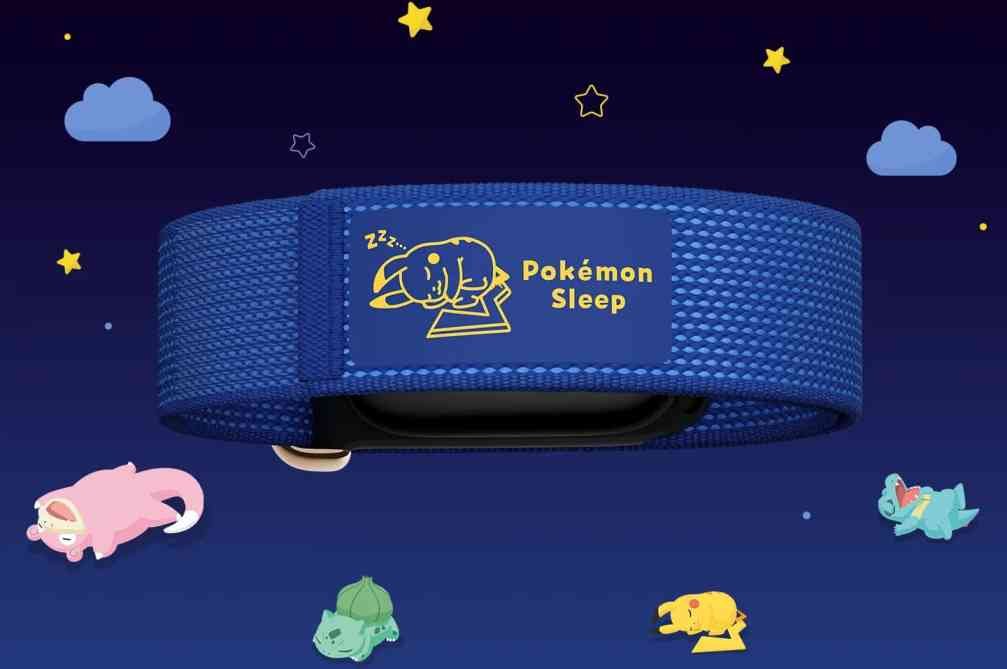
The company has announced a special-edition Fitbit Air designed to work with the Pokémon Sleep app, bringing together Fitbit’s health tracking features and the popular sleep-focused Pokémon game.
The new wearable is part of the celebrations around Pokémon’s 30th anniversary and is aimed at people who want to make sleep and fitness tracking a little more engaging.
The special-edition Fitbit Air is available to preorder for $129, with shipments expected to begin on September 15, 2026.
Fitbit Air meets Pokémon Sleep
Pokémon Sleep takes a different approach to gaming. Instead of asking players to spend more time in front of a screen, the app turns sleeping into part of the gameplay.
Players begin with Snorlax and build up its Drowsy Power by getting enough sleep. As that score increases, different Pokémon can appear around Snorlax for players to discover.
The new Fitbit Air adds wearable data to that experience.
The device can connect with both the Google Health app and Pokémon Sleep, allowing users to track health and fitness information during the day and sleep information at night.
According to the product information provided by Google, Fitbit Air can track metrics such as:
- Daily movement
- Heart rate
- Cardio load
- Sleep duration
- Sleep quality
This means users can use the same wearable throughout the day and night rather than relying only on their phone to record sleep.
A playful approach to sleep tracking
Sleep tracking has become a common feature across smartwatches and fitness bands. What makes this Fitbit Air edition different is the way it connects those measurements with a game.
Instead of looking at sleep data only as charts and numbers, Pokémon Sleep gives users an additional reason to pay attention to their nightly routine.
The idea fits particularly well with Pokémon’s anniversary year. The franchise has a huge audience, and turning a health-related activity into something connected to familiar characters could make wearable tracking feel less clinical.
For Google, the partnership also provides another way to showcase Fitbit’s wearable technology to a broader audience.
Pokémon Sleep already supports several wearables
The Fitbit Air isn’t the first wearable to work with Pokémon Sleep.
The app already supports several compatible devices, including Apple Watch, Fitbit devices, Galaxy Watch and Google Pixel Watch. Users can also play Pokémon Sleep without owning a wearable.
That makes the new Fitbit Air less about introducing wearable support to Pokémon Sleep and more about creating a dedicated hardware-and-software experience around the two products.
For existing Pokémon Sleep players, the special edition could be appealing because it combines the game with Fitbit’s health and fitness tracking in a single device.
Fitbit Air is designed for everyday health tracking
Google introduced the standard Fitbit Air earlier in 2026 as a slimmer, screenless wearable focused on health and fitness tracking.
The standard model costs $99, while the Pokémon edition carries a higher price of $129.
The Fitbit Air also includes an AI-powered coaching feature designed to provide personalized guidance based on information such as activity, sleep and other wellness data.
This reflects a wider shift in wearable technology. Fitness devices are increasingly moving beyond simple step counting and heart-rate measurements toward software that attempts to help users understand their daily habits.
The Pokémon edition adds a more playful layer to that experience.
When will the Pokémon Fitbit Air be available?
The special-edition Fitbit Air is currently available for preorder at $129.
Google says shipping will begin on September 15, 2026.
The device is expected to be sold online and in physical stores through the Google Store and Target.
Availability and pricing can vary by market, so buyers should check local listings before ordering.
Could gamification make sleep tracking more engaging?
The bigger idea behind the Pokémon edition is gamification.
Many people buy fitness trackers but eventually stop checking their data. Turning health information into goals, progress and rewards can provide another reason to keep using a device.
Pokémon Sleep already uses this concept by connecting sleep with Pokémon discoveries. Fitbit Air extends that idea by bringing more wearable health data into the experience.
It doesn’t change the basic purpose of a fitness tracker, but it could make the experience more appealing to Pokémon fans who might otherwise have little interest in sleep analytics.
For Google, the partnership also highlights how wearable technology can combine health tracking, AI-powered coaching and entertainment in a single ecosystem.
The Pokémon Fitbit Air is therefore more than a themed fitness accessory. It is another example of technology companies experimenting with ways to make everyday health habits more interactive and easier to stick with.
Read More on VitalStack
Enjoyed this article?
Subscribe for weekly deep-dives on AI and health — straight to your inbox.