
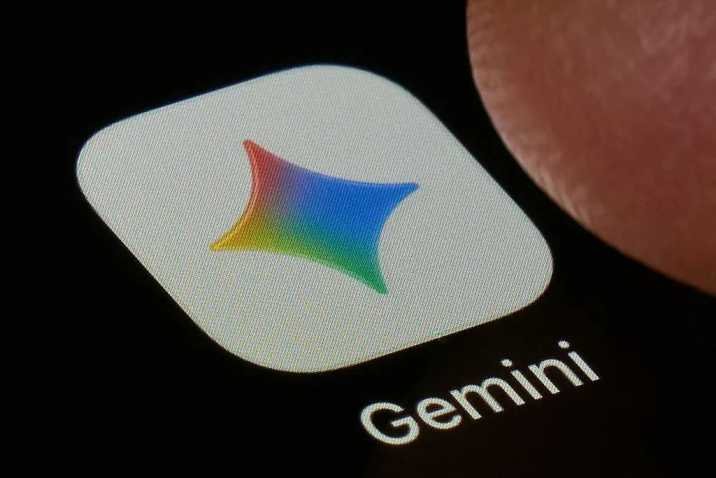
Google is giving its Gemini AI assistant a bigger role inside Google Photos. The company has announced that Gemini Spark can now perform several tasks in a user’s Google Photos library, including organizing albums, editing images, creating shared collections, and connecting photos with other Google services.
The update is part of Google’s broader effort to make its AI tools more useful for everyday tasks. Instead of simply answering questions, Gemini Spark can now carry out certain actions on behalf of users.
Gemini Spark Can Handle More Google Photos Tasks
With the new integration, users can ask Gemini Spark to perform tasks that would normally require several manual steps in Google Photos.
For example, Gemini Spark can help edit photos, organize pictures into albums, and create shared albums containing selected images. Users can also ask the assistant to perform workflows involving their photo collection.
Another interesting capability is the ability to turn information found in photos into actions elsewhere in Google’s ecosystem. For example, a user could take a picture of a concert flyer and ask Gemini Spark to create a related event in Google Calendar.
The idea is to make an existing photo library more useful without requiring users to manually search through hundreds or thousands of pictures.
Who Can Use Gemini Spark With Google Photos?
Google says the new capabilities will initially be available to eligible Gemini AI Pro and Ultra subscribers.
The rollout is scheduled to take place over the coming weeks and will initially support users in the U.S. using English.
Google has not yet announced when the feature will become available in additional countries or languages.
That means many Google Photos users will have to wait before they can use the new Gemini Spark features, depending on their location and subscription.
How to Connect Google Photos to Gemini Spark
Users who have access to the feature will first need to connect their Google Photos account to Gemini.
After connecting the service, users can activate Spark from the Gemini app and then provide a natural-language prompt describing what they want to accomplish.
Instead of navigating through multiple menus, the user can describe the task and let Gemini handle the supported actions.
This approach reflects the broader direction of AI assistants: moving from simply generating information to taking actions inside the apps people already use.
Google Is Pushing AI Deeper Into Everyday Apps
The Google Photos integration is another example of Google adding AI capabilities directly to its consumer products.
Photo libraries have become increasingly large for many people, making tasks such as finding specific pictures, creating albums, and organizing memories time-consuming.
Google is attempting to use Gemini to reduce some of that work.
Rather than requiring users to learn new software or change their existing workflow, the company is bringing AI assistance into services such as Photos, Search, Maps, and other parts of its ecosystem.
AI Assistants Are Moving Beyond Chat
The update also highlights an important change in the way consumer AI products are being developed.
Early AI assistants largely focused on conversations. Users could ask questions, request summaries, generate text, or create images.
Newer AI systems are increasingly designed to interact with other applications and complete tasks.
Gemini Spark’s Google Photos capabilities are an example of this approach. The assistant isn’t simply telling users how to organize their pictures; it can perform supported actions within the connected service.
However, the usefulness of these features will ultimately depend on how reliably they work and how much control users have over actions performed by the AI.
Convenience Comes With New Considerations
Giving an AI assistant access to a personal photo library also raises questions about privacy, permissions, and user control.
Photos can contain highly personal information, including family moments, locations, documents, and other sensitive details. As AI assistants gain the ability to interact with personal services, users will need clear controls over what the assistant can access and what actions it can perform.
For Google, making these features simple while maintaining appropriate user controls will be important as Gemini becomes more deeply integrated into its products.
Read More on VitalStack
Enjoyed this article?
Subscribe for weekly deep-dives on AI and health — straight to your inbox.