Healthcare is no longer limited to hospitals, clinics, or doctor’s offices.
Today, millions of people wear smartwatches, fitness trackers, glucose monitors, and other connected devices that continuously collect health information. Thanks to artificial intelligence, this data is becoming more useful than ever before.
Remote Patient Monitoring (RPM) allows healthcare providers to monitor a patient’s health while they remain at home. Instead of waiting for the next appointment, doctors can receive health updates in real time and respond more quickly when something seems wrong.
As healthcare systems worldwide face growing patient demands, AI-powered remote monitoring is emerging as one of the most important innovations in digital health.
What Is Remote Patient Monitoring?
Remote Patient Monitoring is a healthcare approach that uses connected devices to collect patient health data outside traditional healthcare settings.
Common data includes:
- Heart rate
- Blood pressure
- Blood glucose levels
- Oxygen saturation
- Sleep patterns
- Physical activity
This information is securely shared with healthcare providers who can monitor trends and identify potential issues before they become serious.
Think of it as healthcare that follows patients wherever they go instead of requiring them to visit a clinic every time they need attention.
Why AI Is Becoming Essential for Remote Monitoring
Healthcare devices generate enormous amounts of data every day.
Without artificial intelligence, doctors would need to manually review thousands of data points from every patient.
AI helps by:
- Detecting unusual patterns
- Identifying early warning signs
- Prioritizing high-risk patients
- Reducing information overload
Instead of sorting through endless reports, healthcare professionals can focus on patients who genuinely need attention.
A Real-Life Example Most People Can Relate To
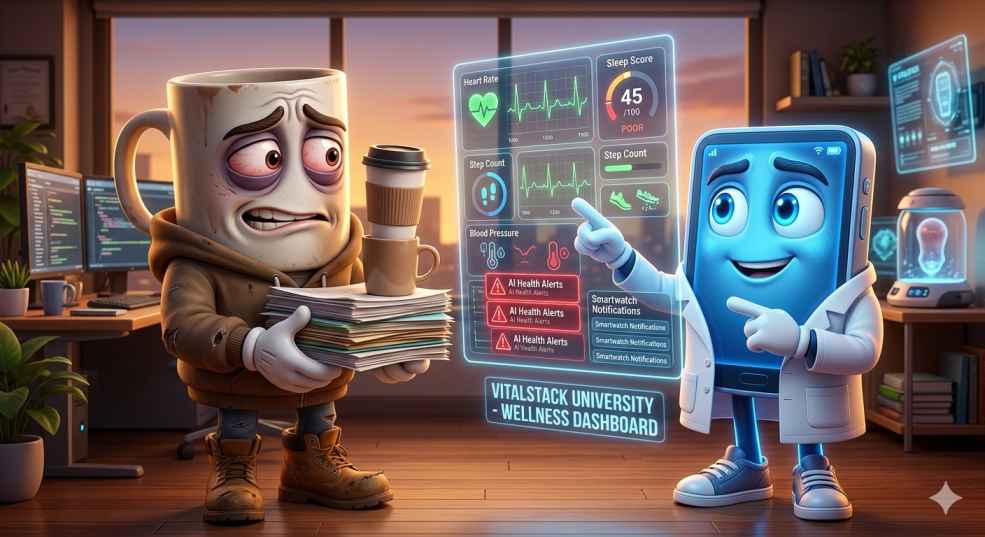
If you own a smartwatch, you’ve probably experienced a small version of remote patient monitoring.
A friend of mine started using a smartwatch simply to count daily steps. A few months later, the device began showing irregular sleep patterns and unusually elevated resting heart rates.
The watch wasn’t diagnosing a medical condition. However, it encouraged a visit to a healthcare provider who identified lifestyle factors that were affecting overall health.
This is a simple example of how continuous monitoring can provide useful health insights before problems become more serious.
How AI Improves Remote Patient Monitoring
1. Early Detection of Health Problems
One of AI’s biggest advantages is its ability to recognize patterns that humans may overlook.
For example:
- Sudden heart rate changes
- Irregular breathing patterns
- Blood pressure fluctuations
- Unusual glucose levels
AI systems can alert healthcare providers before these changes develop into serious medical emergencies.
Early intervention often leads to better outcomes and lower healthcare costs.
2. Continuous Patient Monitoring
Traditional healthcare appointments provide only occasional snapshots of a person’s health.
Remote monitoring provides a continuous stream of information.
AI can analyze data collected:
- During sleep
- During exercise
- Throughout daily activities
- During recovery periods
This broader picture helps healthcare professionals make more informed decisions.
3. Better Care for Chronic Conditions
Patients managing long-term conditions often benefit the most.
Conditions such as:
- Diabetes
- Heart disease
- Hypertension
- Respiratory disorders
require ongoing monitoring.
AI helps identify changes earlier and supports proactive treatment rather than reactive care.
Real-World Healthcare Technologies Using AI Monitoring
Several healthcare platforms are already using AI-powered monitoring systems.
Apple Watch
Features include:
- Heart rate tracking
- ECG monitoring
- Fall detection
- Sleep tracking
Many healthcare providers now incorporate wearable data into patient care discussions.
Dexcom
Dexcom’s Continuous Glucose Monitoring system helps people with diabetes track glucose levels in real time and share data with healthcare teams.
Abbott FreeStyle Libre
This system enables continuous glucose monitoring without frequent finger-prick tests.
Patients gain a better understanding of how food, exercise, and daily habits affect blood sugar levels.
Current Health
Current Health provides remote monitoring solutions used in hospital-at-home programs where patients recover safely from home while remaining under medical supervision.
Making Healthcare More Accessible
One of the most important benefits of AI-powered monitoring is accessibility.
Patients living in:
- Rural communities
- Remote regions
- Areas with limited healthcare access
can receive more consistent medical attention without traveling long distances.
This can be especially valuable for elderly patients and individuals with mobility challenges.
Challenges and Concerns
Despite its advantages, remote monitoring is not without challenges.
Data Privacy
Health information is highly sensitive.
Healthcare organizations must ensure:
- Strong encryption
- Secure storage
- Regulatory compliance
to protect patient data.
Device Accuracy
AI systems are only as reliable as the data they receive.
Poor-quality sensors or incorrect readings can affect results.
Human Oversight Remains Important
AI assists healthcare professionals, but it does not replace them.
Medical decisions still require:
- Clinical expertise
- Human judgment
- Patient-specific context
The Future of AI-Powered Patient Monitoring
Experts believe remote monitoring will become increasingly sophisticated over the next decade.
Future developments may include:
- Predictive health analytics
- Personalized treatment recommendations
- Advanced wearable sensors
- AI-driven preventive healthcare
As technology improves, healthcare may become more proactive rather than reactive.
Instead of treating illness after symptoms appear, healthcare providers may be able to identify risks much earlier.
Final Thoughts
Remote Patient Monitoring is transforming healthcare, and artificial intelligence is accelerating that transformation.
By helping doctors analyze data faster, identify health risks earlier, and provide more personalized care, AI is making healthcare more effective and accessible for millions of people.
If you’ve ever checked your sleep score, monitored your heart rate, or received a reminder to stay active from a smartwatch, you’ve already experienced a glimpse of this future.
The difference now is that AI is helping turn those everyday data points into meaningful healthcare insights that can improve lives.
Read More on VitalStack
Enjoyed this article?
Subscribe for weekly deep-dives on AI and health — straight to your inbox.