
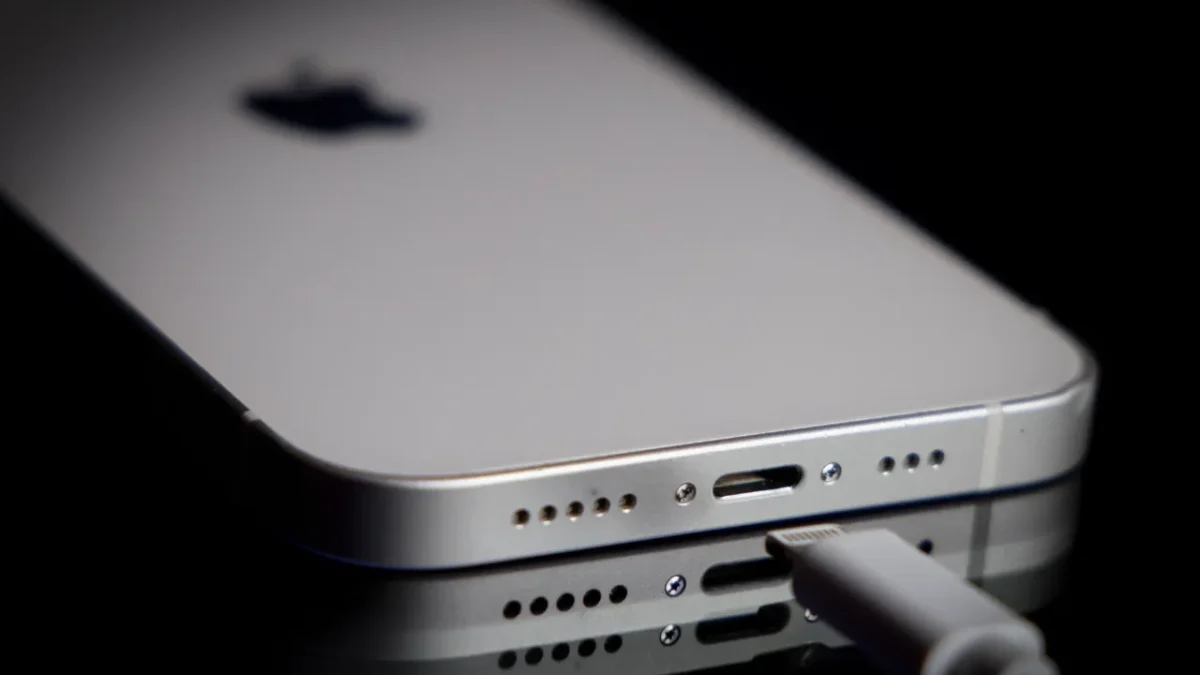
A newly disclosed hardware vulnerability affecting older Apple iPhones could make it easier for security researchers to develop jailbreak tools for certain devices.
The flaw, named usbliter8, was revealed by Barcelona-based cybersecurity company Paradigm Shift. According to the researchers, the vulnerability affects Apple’s A12 and A13 processors, which power devices including the iPhone XS, XR, and iPhone 11 lineup.
What makes the issue significant is that it exists within the device’s Boot ROM, the first code that runs when an iPhone starts. Because Boot ROM code is permanently embedded in the hardware, Apple cannot patch the vulnerability through a software update.
Researchers also released a proof-of-concept exploit demonstrating how the flaw could be used. However, exploiting the vulnerability requires physical access to the device and additional attack techniques, meaning it does not immediately expose user data.
The discovery has generated interest within the cybersecurity community because Boot ROM vulnerabilities have historically played an important role in developing iPhone jailbreaks. A jailbreak removes Apple’s software restrictions and provides deeper access to the operating system.
Security experts note that the flaw alone is not enough to fully compromise an iPhone. Attackers would still need additional vulnerabilities to gain access to protected data or bypass other security layers.
Paradigm Shift stated that upgrading to newer iPhone models remains the most effective protection, as the vulnerability is tied directly to older hardware.
The disclosure serves as another reminder that even highly secure devices can contain hardware-level weaknesses that remain undiscovered for years after release.
Source: Security research published by Paradigm Shift
Read More on VitalStack
- MoEngage Acquires Aampe to Build the Future of AI-Powered Marketing
- Klue Data Breach Exposes Information from Multiple Cybersecurity Companies
- AI-Driven Layoffs Continue Across Tech Industry as Major Companies Cut Thousands of Jobs
- Apple Expands AI Across iPhone With Practical iOS 27 Features Beyond Siri
- In the Weights: The AI Search Tool That Shows How Well Chatbots Know You
Enjoyed this article?
Subscribe for weekly deep-dives on AI and health — straight to your inbox.