
OpenAI has introduced ChatGPT for Teens, a version of its AI chatbot designed with additional safety features and learning tools for younger users.
The new experience aims to make ChatGPT more appropriate for teenagers while also encouraging students to understand their schoolwork instead of simply using AI to get answers.
ChatGPT for Teens Adds Study Mode
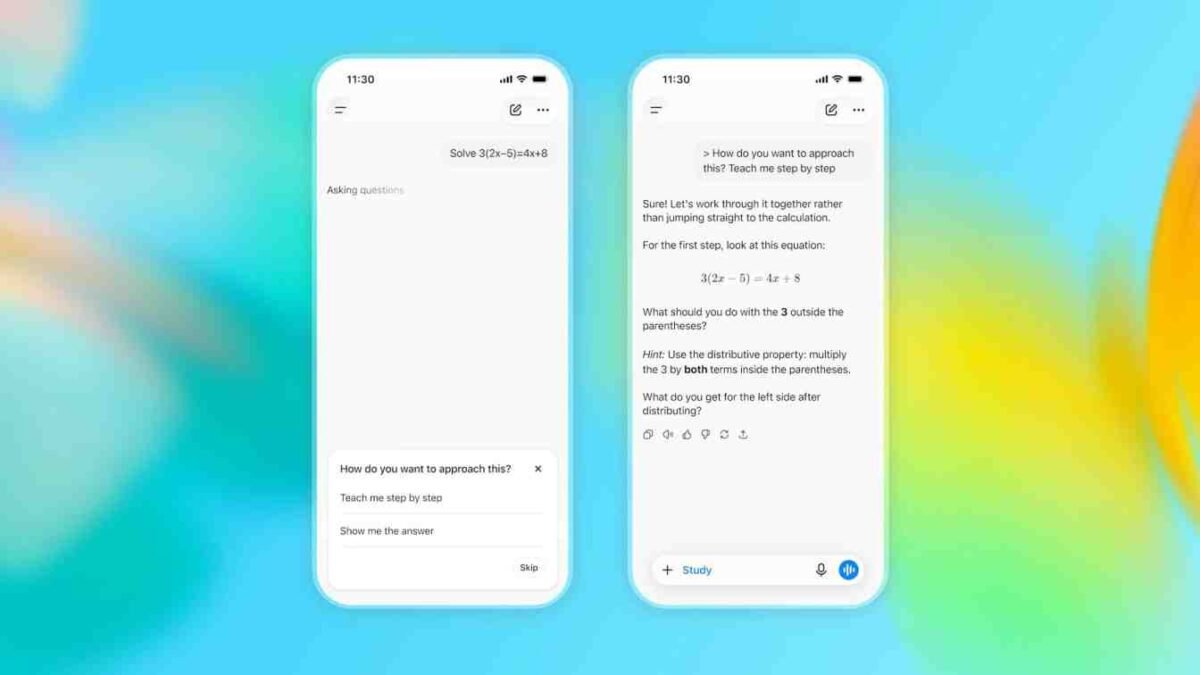
One of the main features is Study Mode, which guides students through problems using questions, explanations and step-by-step support.
Instead of immediately providing an answer, ChatGPT can encourage teens to work through a problem and understand the underlying concept.
The teen experience will also include quizzes, learning visualizations and homework-related reminders. OpenAI says the system can encourage users to switch to Study Mode when it detects that they may be trying to use the chatbot simply to complete an assignment.
Parents and guardians will also have controls that can determine how Study Mode works for their teen.
Additional Safety Features for Younger Users
OpenAI says age-appropriate protections will be enabled by default for ChatGPT for Teens.
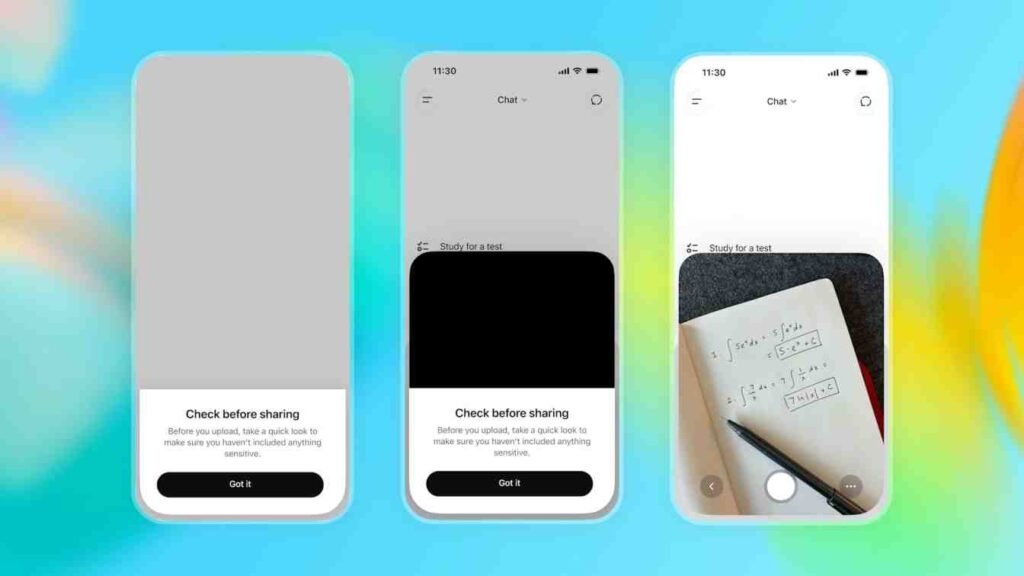
The company says these safeguards are designed to reduce exposure to harmful or developmentally inappropriate content. The protections are based on OpenAI’s principles for users under 18 and were developed with input from developmental experts.
Parents can also use existing family tools to manage settings, receive certain safety notifications and establish Quiet Hours.
OpenAI Also Targets AI-Assisted Cheating
The launch comes as schools continue to work out how students should use generative AI for education.
Rather than banning AI completely, OpenAI is positioning Study Mode as a way for students to use ChatGPT as a learning assistant.
The approach focuses on helping students understand concepts and solve problems instead of relying on AI to complete assignments for them.
OpenAI is also partnering with CodeAI to help teenagers learn about artificial intelligence, including how AI systems work and how to ask better questions.
Can Teen Safety Measures Prevent Workarounds?
The effectiveness of the new protections will likely depend on how difficult they are to bypass.
Teenagers can sometimes find ways around parental controls and restrictions on digital services, so real-world testing will be important.
OpenAI’s launch also comes several years after ChatGPT first became widely available, raising questions about why dedicated protections for younger users were not introduced earlier.
Read More on VitalStack
Enjoyed this article?
Subscribe for weekly deep-dives on AI and health — straight to your inbox.