Introduction
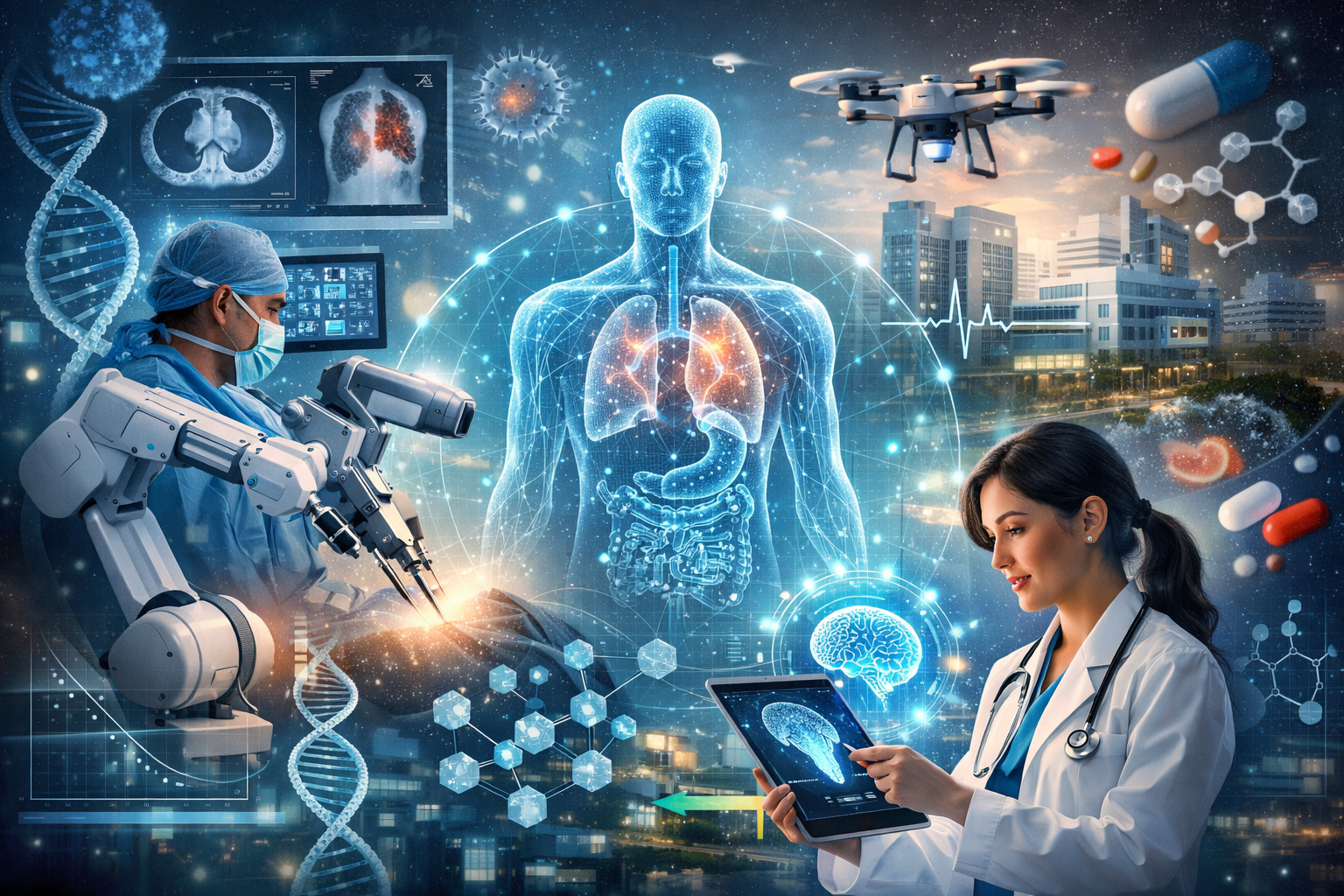
Healthcare is going through a major transformation. In 2026, AI in digital health is no longer a futuristic idea — it is already improving how patients receive care and how doctors make decisions.
Companies like Apple and Google are building smart health ecosystems that combine wearable devices, apps, and artificial intelligence.
The result? Faster diagnosis, better monitoring, and more personalized treatment.
What Is AI in Digital Health?
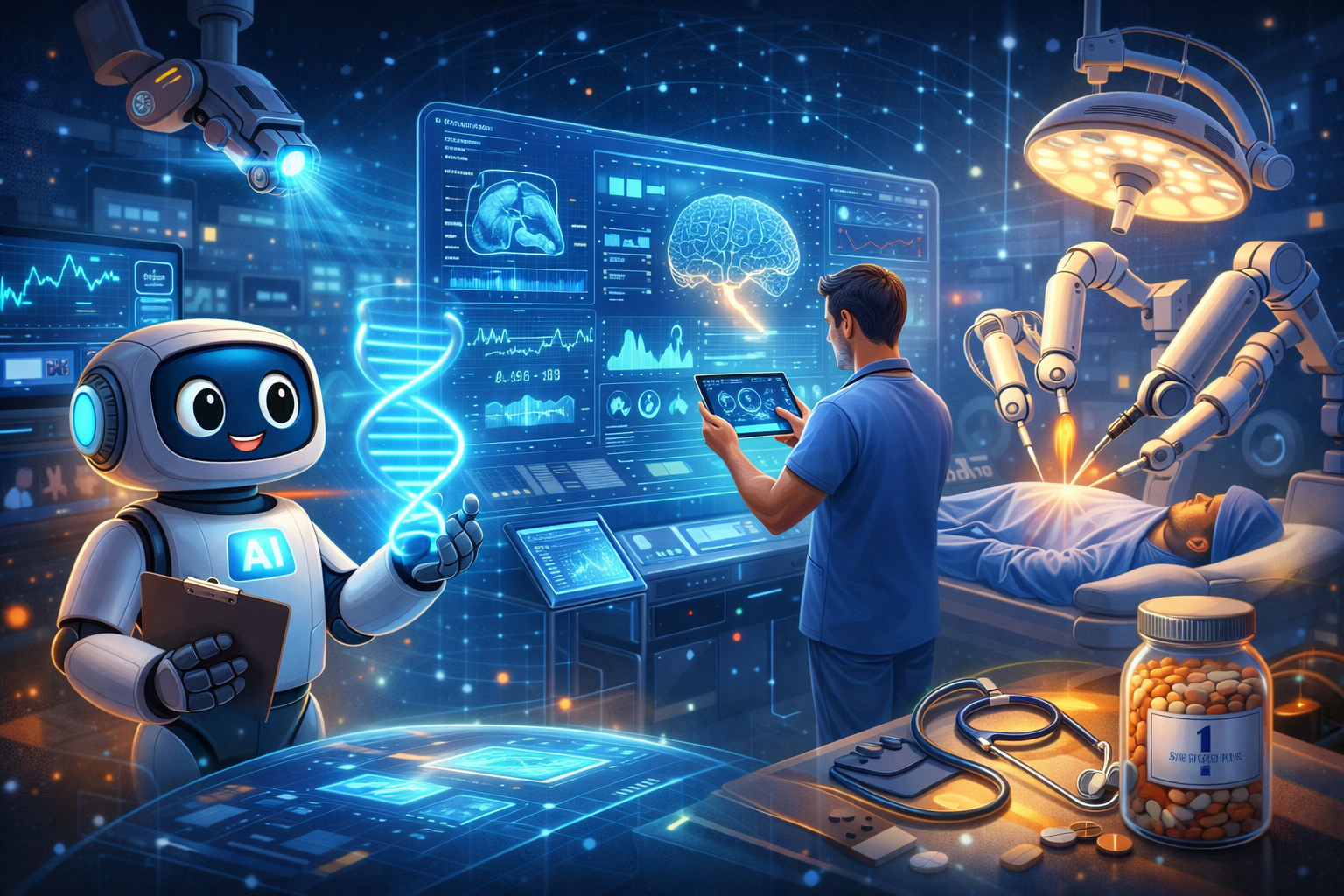
AI in digital health refers to the use of machine learning and data analysis to improve healthcare services.
It includes:
- Smart wearable devices
- Telemedicine platforms
- Remote monitoring systems
- AI-based diagnostics
This combination is making healthcare more accessible and efficient.
1. AI-Powered Health Monitoring
Wearable devices now track:
- Heart rate
- Sleep quality
- Oxygen levels
- Daily activity
AI analyzes this data continuously.
Real Example
A person using a smartwatch can receive alerts about irregular heart rate patterns before symptoms become serious.
This allows early intervention — which can save lives.
2. Remote Patient Monitoring
Patients no longer need frequent hospital visits.
Doctors can monitor patients remotely using AI-powered dashboards.
Use Case
- Chronic disease management
- Post-surgery monitoring
- Elderly care
This reduces hospital overload and improves patient comfort.
3. Faster and More Accurate Diagnosis
AI can process large amounts of medical data quickly.
Doctors use AI to:
- Detect diseases earlier
- Reduce human error
- Improve treatment decisions
This leads to better healthcare outcomes.
4. Personalized Treatment Plans
AI systems analyze:
- Medical history
- Lifestyle habits
- Genetic information
Based on this, they suggest customized treatment plans.
Best Digital Health Tools in 2026
Popular tools include:
- Wearable health trackers
- Telemedicine apps
- AI symptom checkers
These tools make healthcare more accessible for everyone.
Benefits of AI in Digital Health
- Faster diagnosis
- Lower healthcare costs
- Better patient engagement
- Increased accessibility
Risks and Challenges
Despite benefits, there are concerns:
- Data privacy and security
- Over-reliance on technology
- Need for human oversight
Future Trends (2026–2030)
The future of digital health includes:
- AI-powered virtual doctors
- Advanced predictive analytics
- Integration with smart homes
- Real-time health monitoring systems
Expert Tips for Using Digital Health Tools
- Choose trusted platforms
- Regularly review your health data
- Do not rely only on AI — consult doctors
- Protect your personal data
Conclusion
AI in digital health in 2026 is making healthcare smarter, faster, and more accessible.
For individuals, it means better health tracking.
For professionals, it creates new opportunities in healthcare technology.
FAQ
What is AI in digital health?
AI helps improve healthcare using data and machine learning.
Is digital health safe?
Yes, if used with trusted platforms and proper precautions.
🔗 Related Articles
- Learn how digital habits impact your mind in Technology and Mental Health 2026
- Explore smart devices in Best Fitness Tech Gadgets 2026
Enjoyed this article?
Subscribe for weekly deep-dives on AI and health — straight to your inbox.