Introduction
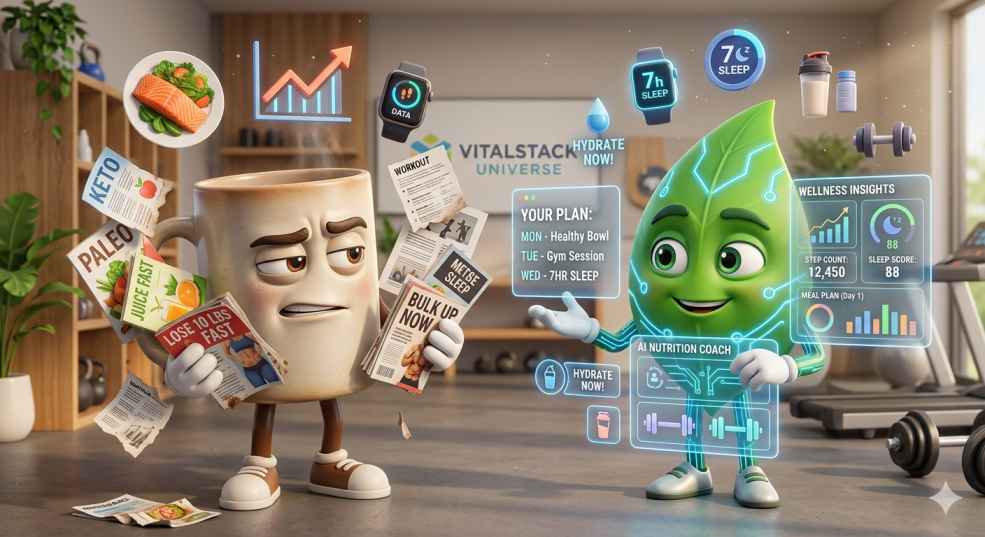
For years, I tried following generic fitness and nutrition advice from the internet.
One article recommended eating a certain way.
Another suggested a completely different approach.
The same thing happened with workout plans.
Some routines worked for a few weeks, while others felt impossible to maintain.
Eventually, I realized something important.
What works for one person doesn’t always work for another.
That’s one reason AI-powered fitness and nutrition tools are becoming increasingly popular.
Instead of providing identical recommendations to everyone, these systems can analyze personal information such as activity levels, goals, habits, and preferences to create more tailored suggestions.
While AI isn’t a replacement for qualified healthcare or nutrition professionals, it can help people better understand their routines and make more informed decisions.
Why Personalization Matters
Two people can have very different lifestyles.
For example:
- One person works at a desk all day.
- Another spends most of the day on their feet.
- One prefers morning workouts.
- Another exercises after work.
- One wants to improve endurance.
- Another wants to build strength.
Yet many traditional fitness plans treat everyone the same.
AI helps bridge this gap by adapting recommendations to individual circumstances.
My Personal Fitness Tracking Experiment
Last year, I started paying closer attention to my daily activity patterns.
Instead of guessing how active I was, I tracked:
- Daily steps
- Workout frequency
- Sleep habits
- Activity consistency
The biggest surprise wasn’t my workout performance.
It was discovering how much my routine changed depending on work schedules.
On busy weeks, my activity levels dropped significantly.
Having data helped me recognize patterns I would have otherwise ignored.
How AI Is Changing Nutrition Planning
Nutrition apps powered by AI can analyze information such as:
- Food preferences
- Dietary restrictions
- Activity levels
- Personal goals
Instead of recommending the same meal plan to everyone, AI systems can generate more personalized suggestions.
Practical Example
Imagine two individuals.
Person A:
- Regular gym user
- Active lifestyle
Person B:
- Remote worker
- Lower activity levels
The nutritional recommendations for these individuals may be very different.
AI can help adjust guidance based on these differences.
AI Nutrition Apps
1. MyFitnessPal
Use Case:
- Calorie tracking
- Food logging
- Macronutrient monitoring
- Goal tracking
Personal Example:
When tracking my daily meals for a week, MyFitnessPal helped me understand how much protein I was actually consuming versus how much I thought I was consuming.
2. Lifesum
Use Case:
- Personalized meal planning
- Healthy eating recommendations
- Nutrition tracking
Example:
Lifesum can recommend meal plans based on dietary preferences such as vegetarian, keto, or balanced nutrition.
3. Cronometer
Use Case:
- Detailed nutrition tracking
- Vitamin and mineral analysis
- Health data insights
Example:
Useful for users who want deeper nutritional insights beyond calories.
AI Fitness Coaching Is Becoming More Accessible
Not everyone has access to a personal trainer.
This is where AI-powered fitness tools can be useful.
Many apps now provide:
- Workout recommendations
- Progress tracking
- Exercise guidance
- Activity reminders
Real-World Test Case
A friend of mine used an AI fitness app while preparing for a local charity run.
Instead of creating a training schedule manually, the app adjusted recommendations based on completed workouts and activity levels.
The experience felt more personalized than following a static training plan.
AI Fitness Apps
1. Fitbod
Use Case:
- AI-generated workout plans
- Personalized training recommendations
- Recovery-aware workout suggestions
Real Example:
A beginner who misses leg day for several sessions may receive adjusted workout recommendations based on previous activity.
2. Freeletics
Use Case:
- Adaptive fitness coaching
- Bodyweight workouts
- Progress tracking
Example:
The system adjusts workouts based on performance and feedback after each session.
3. Nike Training Club
Use Case:
- Guided workouts
- Beginner-friendly fitness plans
- Strength and mobility training
Example:
Useful for users who want structured workouts without hiring a personal trainer.
Wearables and AI Work Together
One of the most exciting developments is the combination of wearable devices and AI.
Smartwatches and fitness trackers collect information about:
- Activity
- Sleep
- Heart rate trends
- Recovery patterns
AI then helps interpret that information.
Instead of showing raw numbers alone, modern systems can identify patterns and provide useful insights.
Wearable Systems
1. Apple Health
Tracks:
- Activity
- Sleep
- Heart rate trends
- Fitness metrics
2. Google Fit
Tracks:
- Daily activity
- Movement goals
- Exercise data
3. WHOOP
Tracks:
- Recovery
- Sleep
- Activity strain
- Wellness trends
Real Example:
Many athletes use WHOOP to understand recovery patterns and adjust training intensity.
4. Fitbit Premium
Tracks:
- Sleep
- Activity
- Wellness metrics
- Personalized insights
Sleep: The Often Ignored Factor
Many people focus heavily on workouts and nutrition.
Sleep is often overlooked.
During a two-week tracking experiment, I noticed something interesting.
On nights when I stayed up late using my phone, my sleep quality scores were consistently lower.
The next day, I often felt less productive and less motivated to exercise.
The data didn’t magically improve my habits.
But it made those patterns much easier to recognize.
Benefits of AI-Powered Health and Fitness Tools
Some of the biggest advantages include:
Better Awareness
Users gain a clearer understanding of habits and routines.
Personalized Suggestions
Recommendations can adapt to changing goals and activity levels.
Progress Tracking
Long-term trends become easier to monitor.
Increased Motivation
Many users find tracking systems help maintain consistency.
Important Limitations
It’s important to be realistic.
AI tools are not perfect.
They can provide insights and recommendations, but they should not replace professional healthcare advice.
Data may occasionally be inaccurate, and recommendations may not be appropriate for every individual.
That’s why AI should be viewed as a helpful assistant rather than a medical expert.
What the Future Might Look Like
As AI continues to evolve, personalization will likely become even more advanced.
Future systems may integrate:
- Wearable devices
- Activity tracking
- Nutrition logs
- Recovery monitoring
This could provide a more complete picture of overall wellness.
The goal isn’t simply collecting more data.
The goal is helping people make better decisions based on that information.
Final Thoughts
One lesson I’ve learned from testing health and fitness technology is that awareness often matters more than perfection.
You don’t need perfect nutrition.
You don’t need perfect workouts.
You need consistency.
AI tools can help people understand their habits, identify patterns, and stay accountable.
That’s where much of their value comes from.
Conclusion
AI is changing the way people approach nutrition and fitness.
By combining personalization, activity tracking, and data analysis, modern tools can help users better understand their routines and make more informed lifestyle choices.
While AI won’t replace healthcare professionals or fitness experts, it can be a valuable companion for people looking to build healthier habits over time.
FAQ’s
What is AI-powered personalized nutrition?
AI-powered nutrition uses data such as goals, preferences, and activity levels to provide more tailored dietary recommendations.
Can AI create fitness plans?
Many AI-powered fitness apps can suggest workouts and adjust recommendations based on progress and activity data.
Is AI nutrition advice accurate?
AI tools can provide useful guidance, but they should not replace advice from qualified healthcare or nutrition professionals.
Do wearable devices improve AI recommendations?
Wearables provide additional activity and wellness data that can help generate more personalized insights.
Is AI fitness coaching suitable for beginners?
Yes. Many AI-powered apps are designed to help beginners build routines and track progress more effectively.
Read More on VitalStack
Enjoyed this article?
Subscribe for weekly deep-dives on AI and health — straight to your inbox.