Introduction
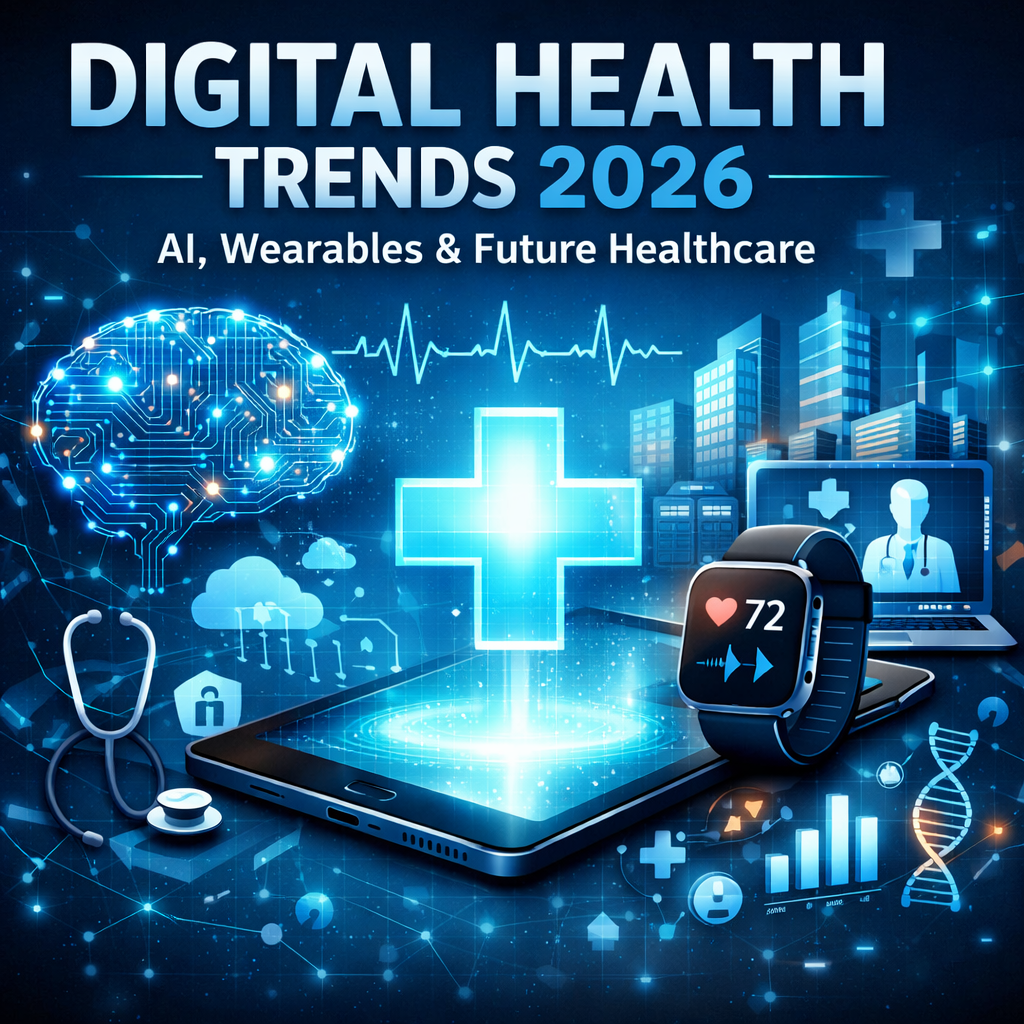
Healthcare is changing faster than ever. In 2026, technology is not just supporting doctors — it is transforming how people monitor, manage, and improve their health.
The rise of digital health trends in 2026 is making healthcare more accessible, faster, and personalized. From smartwatches to AI-powered diagnostics, companies like Google and Apple are leading this transformation.
But what exactly is driving this change?
Let’s explore the most important digital health trends that are shaping the future of healthcare.
What Are Digital Health Trends?
Digital health refers to the use of technology to improve healthcare services.
It includes:
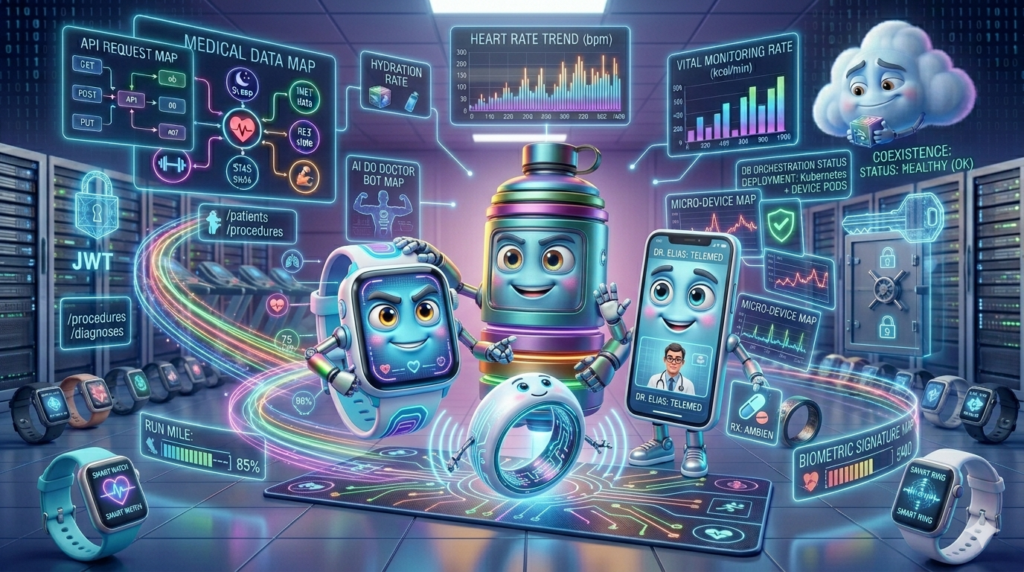
- Mobile health apps
- Wearable devices
- Telemedicine platforms
- AI-powered diagnostics
These technologies are making healthcare smarter and more efficient.
Why Digital Health Trends 2026 Are Important
The healthcare industry faces challenges like:
- Increasing patient demand
- High costs
- Limited access in rural areas
Digital health solutions help solve these problems by improving efficiency and accessibility.
1. AI-Powered Diagnostics
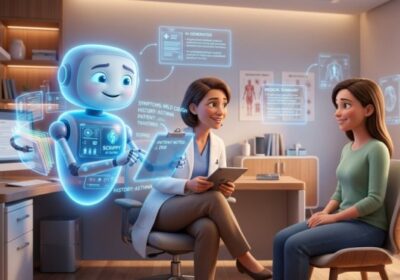
Artificial intelligence is one of the biggest digital health trends in 2026.
AI tools can analyze:
- Medical reports
- X-rays and scans
- Patient data
This helps doctors detect diseases faster and with better accuracy.
Real Example
AI systems can identify early signs of heart problems before symptoms become severe, allowing timely treatment.
2. Growth of Telemedicine
Telemedicine has become a standard part of healthcare.
Patients can now:
- Consult doctors online
- Get prescriptions digitally
- Avoid long waiting times
This is especially helpful for people in remote areas.
3. Wearable Health Technology
Wearable devices are becoming more advanced every year.
They track:
- Heart rate
- Sleep quality
- Physical activity
- Oxygen levels
AI analyzes this data and provides insights that help users maintain better health.
4. Personalized Healthcare
Another major trend is personalized treatment.
AI systems analyze:
- Medical history
- Lifestyle habits
- Health data
Based on this, they create customized treatment plans for individuals.
5. Data-Driven Healthcare Decisions
Hospitals and clinics now use data analytics to:
- Improve patient care
- Reduce costs
- Predict health risks
This leads to better decision-making and improved outcomes.
Market Growth Statistics (2026)
The global digital health market is valued at approximately USD 483 billion in 2026 and is projected to reach USD 1,171 billion by 2035, growing at a CAGR of 10.8%. Other reports estimate even higher figures, with some forecasting up to USD 491-500 billion in 2026 due to rapid AI and telemedicine adoption.
In the US alone, the digital health market stands at around USD 180 billion in 2026. Adoption of AI-powered tools has surged, with ~90% of U.S. health systems using AI for tasks like EHR documentation by early 2026.
Real-World Case Studies
- Mount Sinai West (New York) – Used an FDA-approved AI tool for fetal ultrasound screenings. Detection rate of major congenital heart defects jumped to over 97%.
- Mayo Clinic – Deployed an AI-enabled digital stethoscope that diagnosed twice as many cases of peripartum cardiomyopathy (a dangerous pregnancy-related heart condition) compared to traditional methods.
These examples show AI is not just hype. it is delivering measurable clinical improvements today
Benefits of Digital Health Trends
Digital health trends in 2026 offer several advantages:
- Faster diagnosis
- Lower healthcare costs
- Improved accessibility
- Better patient experience
Risks and Challenges
While promising, digital health faces serious hurdles:
- Data Privacy & Security: Health data is highly sensitive. Recent studies show many apps share data with third parties without clear disclosure.
- Digital Divide: Rural areas and lower-income groups still lack reliable internet or devices.
- Regulatory & Ethical Issues: Over-reliance on AI may reduce clinical judgment if not properly supervised.
- Bias in AI Models: Algorithms trained on limited datasets can produce inaccurate results for women, elderly, or certain ethnic groups.
Future of Digital Health (2026–2030)
The future of healthcare will include:
- AI-powered virtual doctors
- Smart hospitals
- Real-time health monitoring
These innovations will continue to improve healthcare systems worldwide.
🔗 Related Articles
- Learn how technology affects mental well-being in Technology and Mental Health 2026
- Explore smart devices in Fitness Tech Gadgets 2026
Conclusion
Digital health trends in 2026 are transforming healthcare into a smarter and more efficient system.
With the help of AI and modern technology, healthcare is becoming more accessible and personalized than ever before.
Understanding these trends is essential for both individuals and professionals.
FAQ
What are digital health trends?
Digital health trends are technologies that improve healthcare services using data and AI.
Is digital health safe?
Yes, but users should choose trusted platforms and protect their data.
Enjoyed this article?
Subscribe for weekly deep-dives on AI and health — straight to your inbox.