Introduction
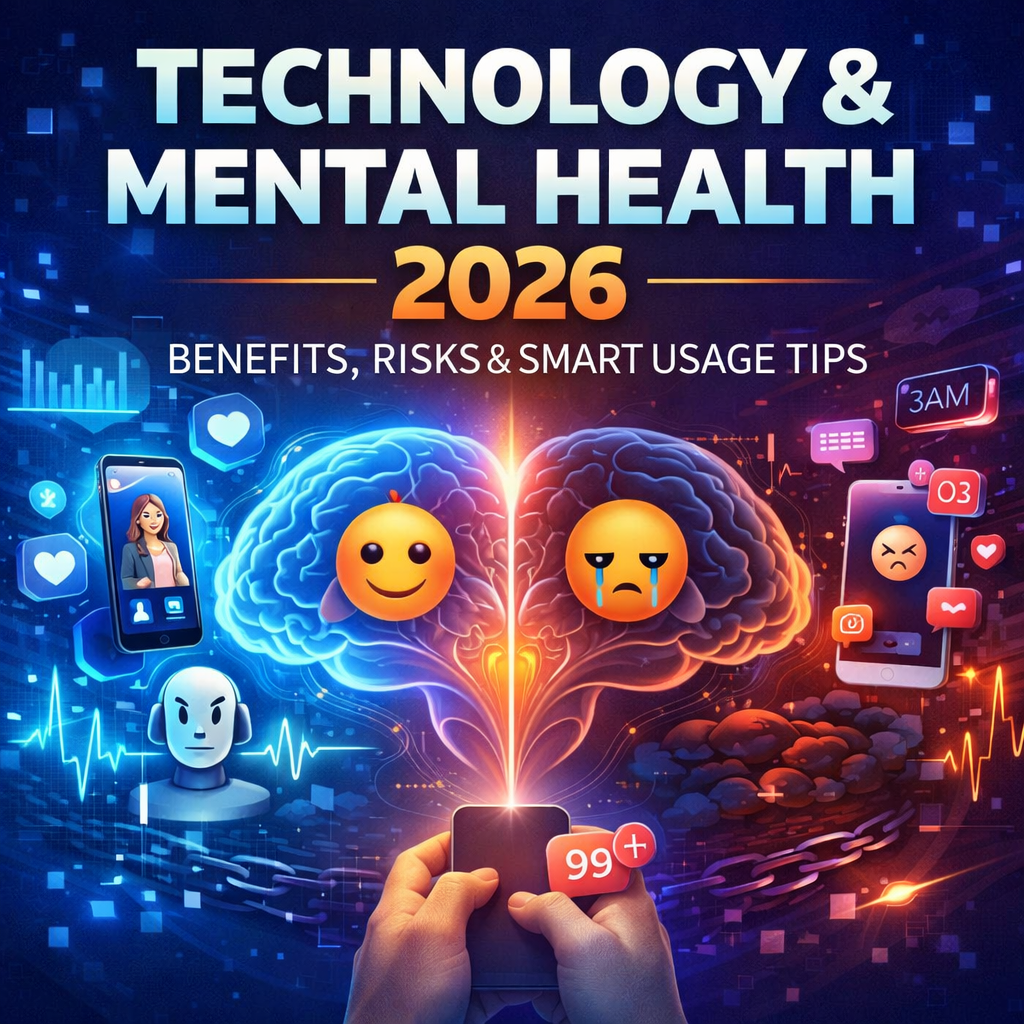
Mental health is becoming one of the most important aspects of modern life. In 2026, people are turning to technology not just for productivity, but also for emotional well-being.
With the rise of mental health apps in 2026, managing stress, anxiety, and focus has become more accessible than ever. Apps like Headspace and Calm are helping millions of users improve their daily mental health routines.
But how effective are these apps, and should you use them?
Let’s explore.
What Are Mental Health Apps?
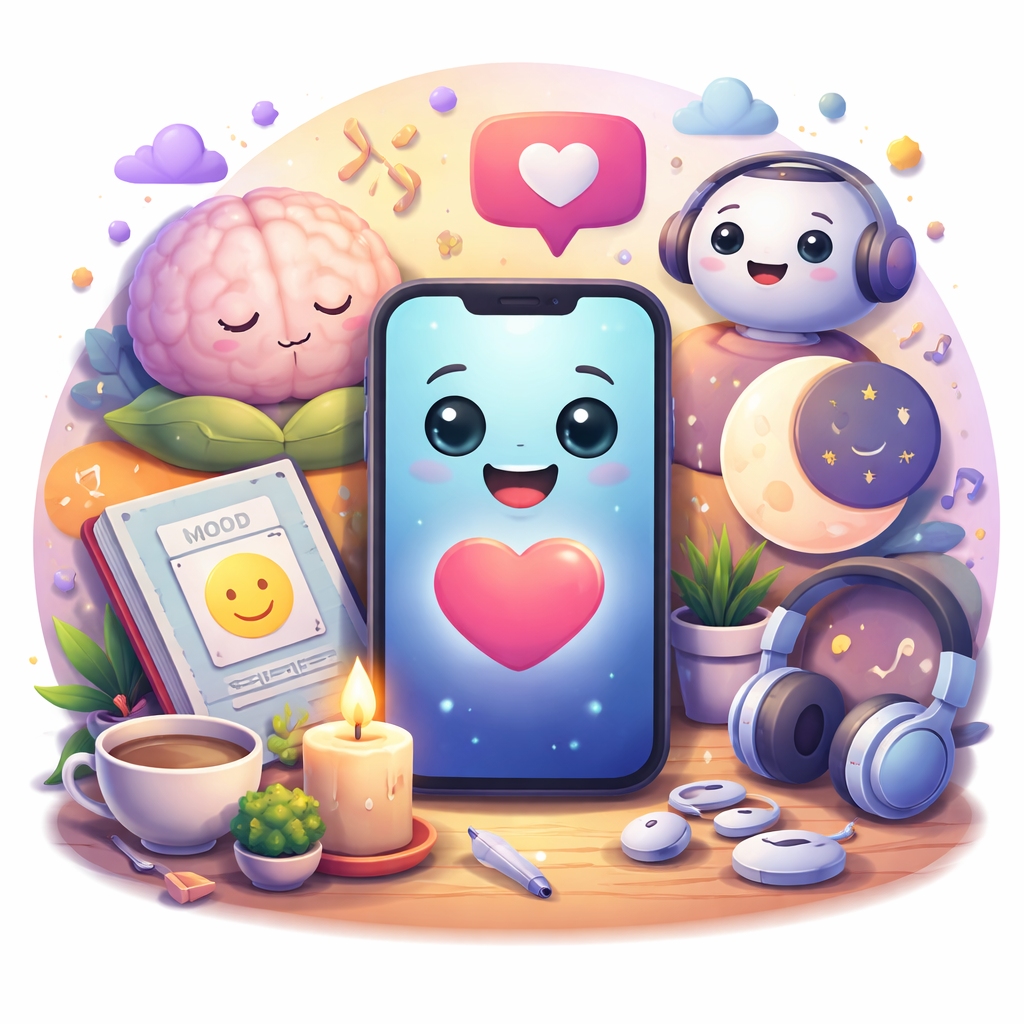
Mental health apps are digital tools designed to support emotional well-being.
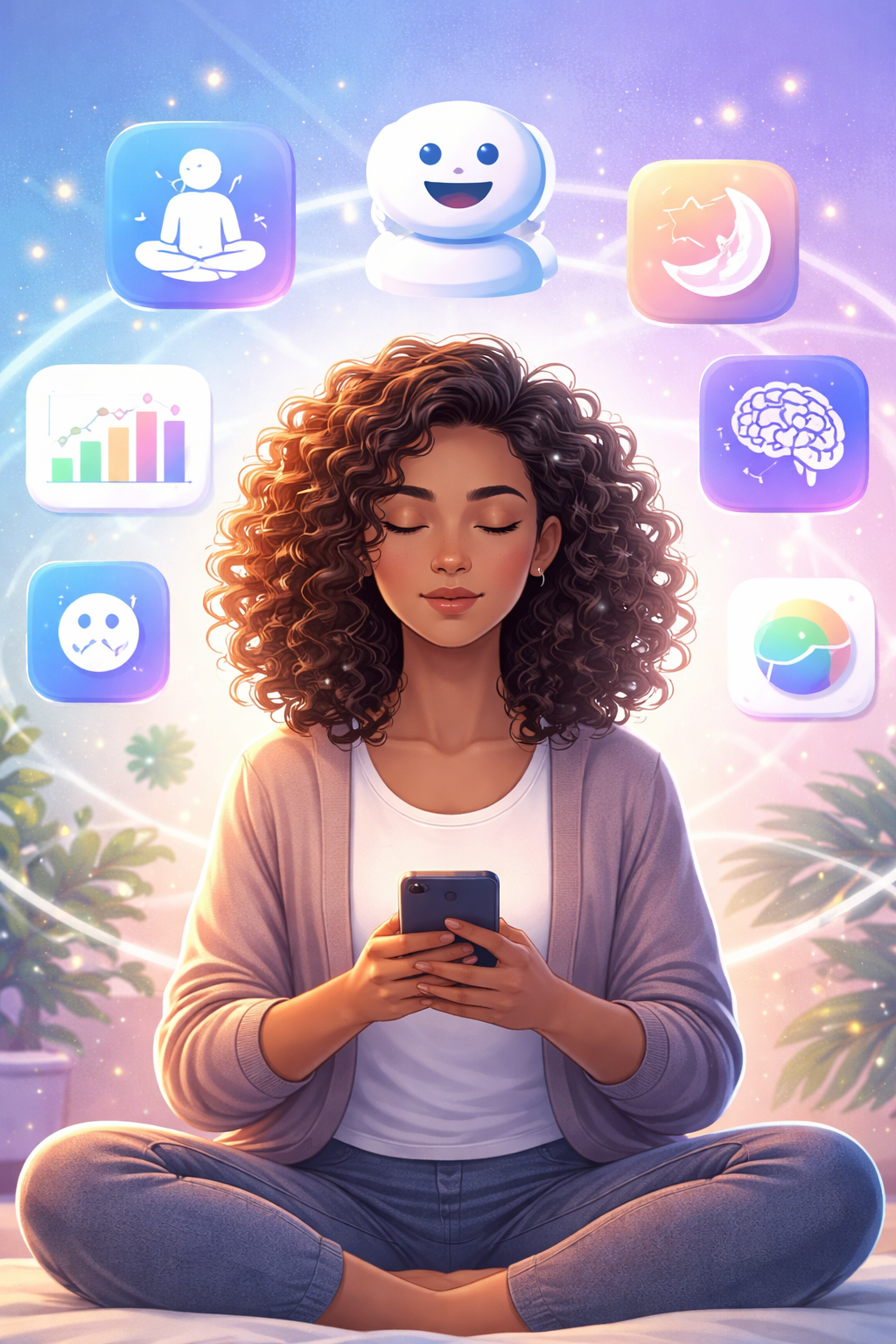
They offer features such as:
- Guided meditation
- Mood tracking
- Stress management
- Sleep improvement tools
- AI-based chat support
These tools make mental health support more convenient and private.
How Mental Health Apps 2026 Help in Daily Life
The biggest advantage of mental health apps is accessibility.
Users can:
- Practice meditation anytime
- Track emotional patterns
- Get instant support
- Improve daily habits
This makes it easier to manage stress without visiting a therapist for every issue.
1. AI-Powered Emotional Support
AI technology is now being used to provide basic emotional support.
These apps can:
- Respond to user feelings
- Suggest calming techniques
- Guide breathing exercises
This is especially helpful during moments of stress or anxiety.
2. Mood Tracking and Insights
Many apps allow users to track their mood daily.
Over time, they:
- Identify emotional patterns
- Highlight stress triggers
- Suggest improvements
This helps users understand their mental health better.
3. Meditation and Mindfulness
Guided meditation is one of the most popular features.
Benefits include:
- Reduced stress
- Better focus
- Improved sleep
Even 10 minutes a day can make a noticeable difference.
4. Sleep Improvement Tools
Poor sleep is a major cause of stress.
Mental health apps offer:
- Sleep sounds
- Relaxation techniques
- Bedtime routines
These features help users improve sleep quality naturally.
Market Overview 2026
The global mental health apps market is expected to be worth USD 9.6 billion in 2026, growing toward USD 40+ billion by 2035 at a CAGR of ~17%. This boom is driven by AI chatbots, mood tracking, and increased awareness post-pandemic.
Pros & Cons Comparison Table
| App Type | Best For | Pros | Cons | Privacy Rating |
|---|---|---|---|---|
| Calm / Headspace | Meditation & Sleep | High-quality content, soothing | Subscription cost | Good |
| Wysa / Youper | AI Chat Support | 24/7 availability, free tier | Limited depth vs real therapy | Moderate |
| Moodpath / Daylio | Mood Tracking | Detailed insights | Data collection concerns | Variable |
Privacy Concerns
A 2026 study of popular Android mental health apps found every single app contained at least one undisclosed tracker. Many fail to list all third-party domains in their privacy policy. Sensitive data (mood logs, suicidal thoughts, therapy notes) is highly valuable — and vulnerable. Always check permissions and prefer apps with strong encryption and clear data policies.
My Personal Testing Note “After testing Wysa and Calm for two weeks, I found AI chat features helpful for quick anxiety relief, but guided meditations in Calm gave better long-term results for sleep.”
Real-Life Example
A working professional dealing with daily stress can use a mental health app to meditate, track mood, and improve sleep all from their smartphone.
Over time, this leads to better productivity and emotional balance.
Benefits of Mental Health Apps 2026
- Easy access to support
- Affordable compared to therapy
- Private and secure
- Helps build healthy habits
Risks and Limitations
While useful, these apps have limitations:
- Cannot replace professional therapy
- May lead to overdependence
- Quality varies between apps
It’s important to use trusted platforms.
Future Trends in Mental Health Technology
Looking ahead:
- AI virtual therapists will become common
- Personalized mental health plans will improve
- Emotion detection technology will advance
🔗 Related Articles
- Learn about healthcare innovation in Digital Health Trends 2026
- Explore smart fitness tools in Fitness Tech Gadgets 2026
Conclusion
Mental health apps in 2026 are powerful tools that make emotional well-being more accessible.
However, the key is balance. These tools should support your mental health — not replace real human connection when needed.
FAQ
Do mental health apps really work?
Yes, they are effective for managing stress and improving mindfulness.
Can apps replace therapy?
No, they are support tools, not complete replacements.
Enjoyed this article?
Subscribe for weekly deep-dives on AI and health — straight to your inbox.