For years, nutrition advice on the internet has felt confusing.
One week people are told to avoid carbs. The next week, high-protein diets become the trend. Social media is full of conflicting advice, generic meal plans, and influencers promoting “perfect” diets that may not work for everyone.
That’s exactly why AI-powered personalized nutrition is gaining attention in 2026.
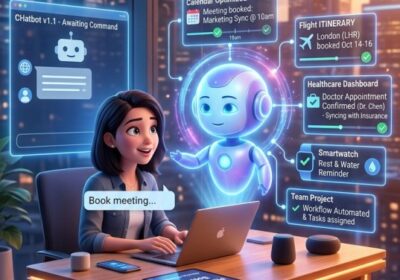
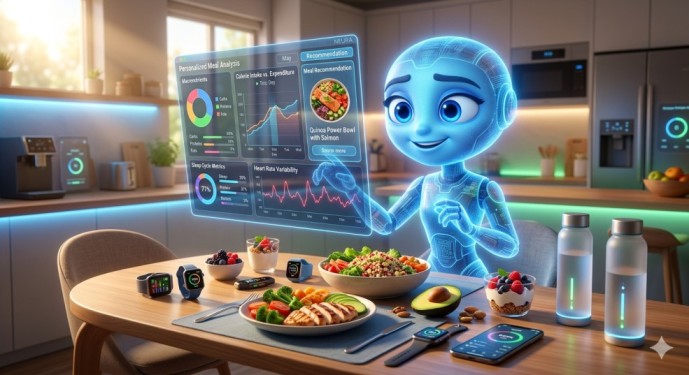
Instead of giving the same recommendations to millions of users, modern AI nutrition platforms analyze personal data like activity levels, sleep quality, food habits, fitness goals, and even wearable device metrics to create more customized health recommendations.
For the first time, technology is making nutrition feel personal instead of generalized.
A few years ago, most nutrition apps felt repetitive. They usually suggested the same calorie targets and meal plans to everyone. But recently, after trying some newer AI-based health apps myself, I noticed the recommendations were becoming much more adaptive. Even simple things like sleep quality or workout intensity started affecting meal suggestions automatically.
The bigger question now is simple:
Is AI-powered personalized nutrition finally becoming genuinely useful, or is it still overhyped?
Let’s explore how this technology works, why it matters in 2026, and whether it can realistically improve health outcomes.
Why Personalized Nutrition Is Growing So Fast in 2026
People are becoming more health-conscious than ever.
At the same time, wearable devices, smartwatches, fitness trackers, and health apps are generating massive amounts of personal wellness data every day.
AI systems use this information to recommend more adaptive nutrition strategies.
One interesting thing many people notice after using these tools for a few weeks is how connected daily habits actually are. Poor sleep, stress, dehydration, and irregular eating patterns often affect energy levels far more than people expect.
Unlike traditional diet plans, AI-powered nutrition platforms can continuously adjust recommendations based on changing habits and health patterns.
For example, some platforms now track:
- Daily activity levels
- Sleep patterns
- Heart rate variability
- Blood sugar trends
- Hydration habits
- Stress indicators
- Workout intensity
- Food preferences
Instead of static diet charts, users receive evolving recommendations that adapt over time.
This is one of the biggest reasons personalized nutrition is becoming more popular in digital health.
How AI-Powered Personalized Nutrition Actually Works
Most AI nutrition systems combine several technologies together.
These include:
- Machine learning
- Wearable health tracking
- Nutrition databases
- Behavioral analysis
- Predictive analytics
The AI system studies patterns from user behavior and attempts to identify what nutrition habits may improve health outcomes.
For example:
If someone consistently feels tired after poor sleep, the app may recommend changes in hydration, caffeine intake, or meal timing.
If a user exercises intensely, the system may suggest additional protein or electrolyte intake.
Over time, the AI tries to understand patterns unique to the individual instead of relying only on generalized nutrition advice.
That’s the core difference between traditional dieting apps and modern AI-powered nutrition platforms.
Real-World Examples of AI Nutrition Technology
Several companies are now investing heavily in personalized health technology.
Some AI nutrition apps integrate with:
- Apple Health
- Fitbit
- Garmin
- Oura Ring
- Smart glucose monitors
- Fitness trackers
These systems can combine multiple health signals together to generate more dynamic recommendations.
Instead of static diet plans, users receive dynamic recommendations.
For example, someone trying to improve fitness performance may receive completely different meal suggestions on workout days compared to rest days. That kind of flexibility makes modern nutrition apps feel much smarter than older calorie-tracking systems.
Some advanced platforms are also experimenting with:
- AI meal scanning
- Real-time calorie estimation
- Grocery recommendations
- Smart supplement tracking
- Blood sugar monitoring
- AI-generated meal plans
In healthcare, personalized nutrition is also becoming important for managing conditions like:
- Diabetes
- Obesity
- High blood pressure
- Digestive disorders
This is where AI nutrition starts becoming more than just a fitness trend.
The Biggest Benefits of AI-Powered Nutrition
1. More Personalized Recommendations
Traditional diets often fail because they treat everyone the same.
AI systems attempt to adjust recommendations based on:
- Lifestyle
- Sleep
- Activity
- Habits
- Personal goals
That level of personalization feels far more realistic for everyday life.
2. Better Habit Awareness
One surprising benefit of AI nutrition tools is awareness.
Many users start paying closer attention to:
- Water intake
- Sleep consistency
- Meal timing
- Daily movement
- Stress management
Personally, I think the most useful part of these apps is not the AI itself. It’s the awareness they create. Many people simply become more conscious about hydration, eating habits, and sleep once they start tracking health patterns regularly.
Sometimes small habit improvements matter more than extreme diets.
3. Easier Meal Planning
Meal planning is difficult for many people.
AI systems can reduce decision fatigue by suggesting:
- Quick meals
- Healthy alternatives
- Grocery lists
- Personalized recipes
This makes healthy eating more practical for busy lifestyles.
Can AI Really Understand What Your Body Needs?
This is where things become more complicated.
AI nutrition systems are improving quickly, but they are not perfect.
Human health is extremely complex.
Two people eating the exact same foods can still experience completely different results based on:
- Genetics
- Lifestyle
- Sleep
- Hormones
- Stress
- Medical conditions
AI nutrition tools work best as guidance systems, not medical replacements.
Some recommendations may still be inaccurate or oversimplified.
That’s why experts continue emphasizing that AI should support professional healthcare guidance instead of replacing doctors or nutritionists entirely.
At the moment, AI nutrition works best for:
- General wellness tracking
- Habit improvement
- Fitness support
- Meal organization
- Lifestyle awareness
It should not replace medical treatment plans for serious health conditions.
Privacy Concerns Around AI Health Apps
As health technology becomes more advanced, privacy concerns are also increasing.
Many AI nutrition platforms collect highly personal information, including:
- Health metrics
- Sleep data
- Eating habits
- Activity tracking
- Location data
- Biometric information
Users should always review privacy settings carefully before connecting health devices.
And honestly, this concern is understandable. Health data feels far more personal than regular browsing history or shopping preferences, so people naturally want more transparency about how that information is stored and used.
Trust will become one of the biggest factors shaping the future of digital health platforms.
Common Mistakes People Make With AI Nutrition Apps
Expecting Instant Results
AI cannot magically transform health overnight.
Consistent habits still matter more than technology alone.
Following Recommendations Too Strictly
Some users treat AI suggestions like medical instructions.
That can become unhealthy.
AI systems should be viewed as supportive tools, not absolute authorities.
Ignoring Sleep and Stress
Nutrition is only one part of overall wellness.
Poor sleep and chronic stress often affect health more than people realize.
Future Trends in AI-Powered Nutrition
The future of personalized nutrition looks extremely interesting.
Some major trends expected in the coming years include:
Real-Time Health Feedback
Wearables may soon provide instant nutrition recommendations throughout the day.
AI + Genetic Testing
Some companies are combining DNA analysis with nutrition AI systems.
This could create even more personalized recommendations.
Smart Kitchen Integration
AI-powered kitchen devices may automatically suggest meals based on:
- Available ingredients
- Health goals
- Dietary restrictions
Preventive Healthcare
Many experts believe personalized nutrition could eventually help reduce long-term health risks before problems become severe.
That could become one of the most important areas of digital healthcare.
Final Thoughts
At the end of the day, no app can completely replace healthy habits or professional medical advice. But if AI tools can help people become more consistent with nutrition, hydration, sleep, and movement, that alone could make a meaningful difference over time.
AI-powered personalized nutrition is becoming one of the most interesting intersections between artificial intelligence and healthcare.
The technology is still evolving, but it’s already helping people better understand their habits, routines, and health patterns.
The future of nutrition probably won’t be about following one perfect diet.
It will be about understanding how your own body responds to food, habits, stress, sleep, and lifestyle — and using technology as a helpful guide instead of blindly following trends.
Frequently Asked Questions (FAQ)
What is AI-powered personalized nutrition?
AI-powered personalized nutrition uses artificial intelligence to create customized health and diet recommendations based on personal lifestyle and wellness data.
Are AI nutrition apps accurate?
They can be helpful for general wellness and habit tracking, but they are not perfect and should not replace professional medical advice.
Can AI help with weight loss?
AI tools may support healthier habits, meal planning, and activity tracking, which can assist with weight management goals.
Do AI nutrition apps use wearable devices?
Yes. Many apps integrate with smartwatches, fitness trackers, and health monitoring devices.
Is AI nutrition safe for everyone?
Most platforms are designed for general wellness, but people with medical conditions should consult healthcare professionals before relying heavily on AI recommendations.
🔗 Related Articles
Enjoyed this article?
Subscribe for weekly deep-dives on AI and health — straight to your inbox.