
🚀 Google Introduces AI Widget Creation
Google has officially announced a powerful new Android feature called “Create My Widget,” bringing AI-powered customization directly to Android smartphones.
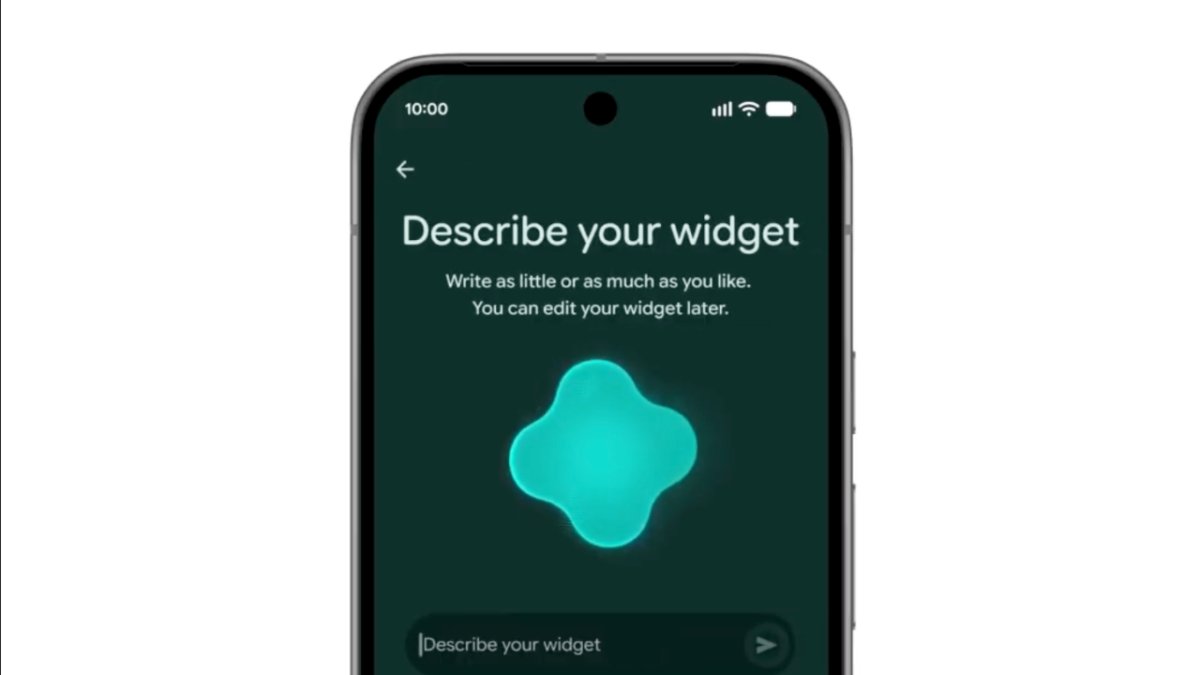
The feature allows users to generate completely personalized widgets simply by describing what they want using natural language.
Instead of manually configuring widgets or downloading multiple third-party apps, Android users can now ask AI to build smart dashboards automatically.
The feature is expected to launch first on the latest Samsung Galaxy and Google Pixel devices later this year.
This announcement is part of Google’s broader push to integrate Gemini AI more deeply into the Android ecosystem.
🧩 What Is “Create My Widget”?
“Create My Widget” is a new AI-driven Android tool designed to simplify home screen customization.
Users can type simple prompts like:
- “Show my weekly fitness goals and calories”
- “Create a travel dashboard for my Berlin trip”
- “Display weather updates only for cycling conditions”
- “Suggest healthy meal prep recipes every week”
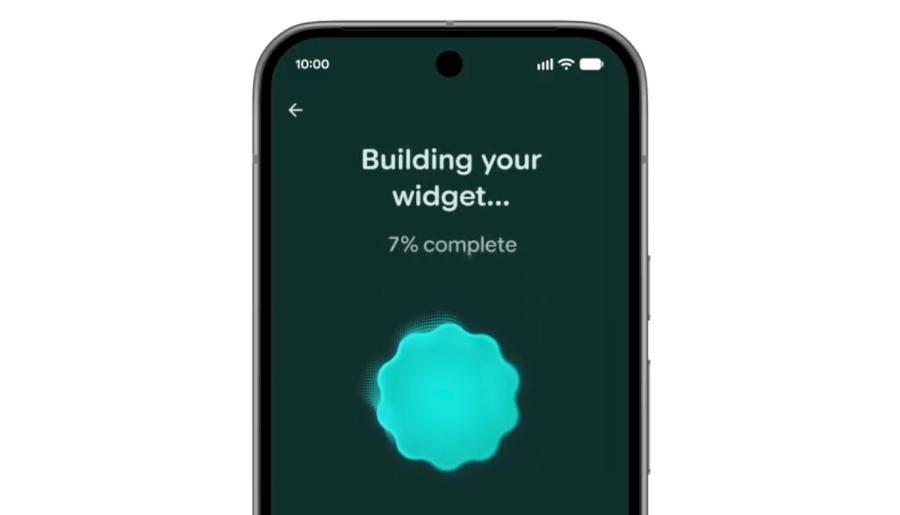
Gemini AI then automatically creates a custom Android widget based on those instructions.
The widget can be resized, customized, and added directly to the Android home screen.
This concept is also being referred to as “vibe coding,” where users create digital experiences through simple conversations instead of traditional coding.
🤖 How Gemini AI Powers Android Widgets
Google’s Gemini AI is the core technology behind the feature.
According to Google, Gemini can intelligently gather and organize information from multiple sources, including:
- Gmail
- Google Calendar
- web search results
- reminders and schedules
- travel details and reservations
For example, if a user is planning a family vacation, Gemini can automatically generate a widget showing:
- flight schedules
- hotel bookings
- countdown timers
- restaurant reservations
- weather information
all in one place.
Google says the goal is to make Android devices feel more like personal AI assistants that proactively organize information for users.
📱 Real-World Examples of AI Widgets
The feature opens the door to highly personalized Android experiences.
Possible widget ideas include:
🏋️ Fitness and workout dashboards
🌦️ Smart weather widgets for cyclists or runners
📚 Study planners for students
✈️ AI travel management dashboards
🍳 Meal preparation and nutrition widgets
📈 Productivity and task tracking tools
🎵 Music recommendation dashboards
Because the widgets are AI-generated, users can personalize them based entirely on their daily habits and preferences.
🔥 Why This Feature Matters for Android Users
Google’s new AI widget system represents a major shift in smartphone customization.
Traditionally, users needed multiple apps and manual setup processes to create personalized dashboards.
Now, generative AI can automate that process instantly.
This makes Android:
- more user-friendly
- more personalized
- smarter and more adaptive
- easier for non-technical users
The feature also highlights how generative AI is moving beyond chatbots and becoming deeply integrated into everyday mobile experiences.
📊 The Future of AI-Powered Personalization
Google’s announcement reflects a much larger trend happening across the technology industry.
AI is increasingly being used to:
- automate repetitive tasks
- personalize user experiences
- simplify app interactions
- improve digital productivity
As competition in AI intensifies, companies are racing to make advanced AI tools more practical and accessible for everyday users.
Google’s “Create My Widget” feature could become one of the most important Android personalization upgrades in recent years.
🔮 Final Thoughts
Google’s new AI-powered widget system shows how quickly Android is evolving into a smarter and more personalized platform.
By combining Gemini AI with dynamic home screen widgets, Google is creating a future where users can build customized digital experiences simply by describing what they need.
As AI continues transforming mobile technology, Android users can expect even deeper personalization, automation, and intelligent assistance in the years ahead.
🔗 Read More on VitalStack
- AI Market Growth Statistics in 2026: How Fast Is the Industry Growing?
- This Smart Desk Gadget Helped Me Fix My Posture While Working From Home
- How to Invest in Artificial Intelligence in 2026 (Beginner’s Guide to AI Stocks, ETFs & Startups)
- OpenAI Introduces ChatGPT Finance Tools That Connect to Bank Accounts
- Amazon’s New AI Shopping Assistant Powered by Alexa+
- Digital Health Trends in 2026: What’s Changing in Healthcare?
Enjoyed this article?
Subscribe for weekly deep-dives on AI and health — straight to your inbox.