
Working from home sounds comfortable until your back starts hurting halfway through the day.
A lot of people today spend hours sitting in front of screens without realizing how bad their posture has become. And honestly, most posture reminder apps are easy to ignore after a while. You dismiss the notification and continue slouching five minutes later.
That is why a new desk gadget called Isa caught attention recently.
Built by German startup Deep Care, Isa is designed to help people improve posture, movement, hydration, and desk habits without relying on cameras or constant online tracking.
And surprisingly, the idea feels much more practical than many wellness gadgets currently flooding the market.
What Is Isa?
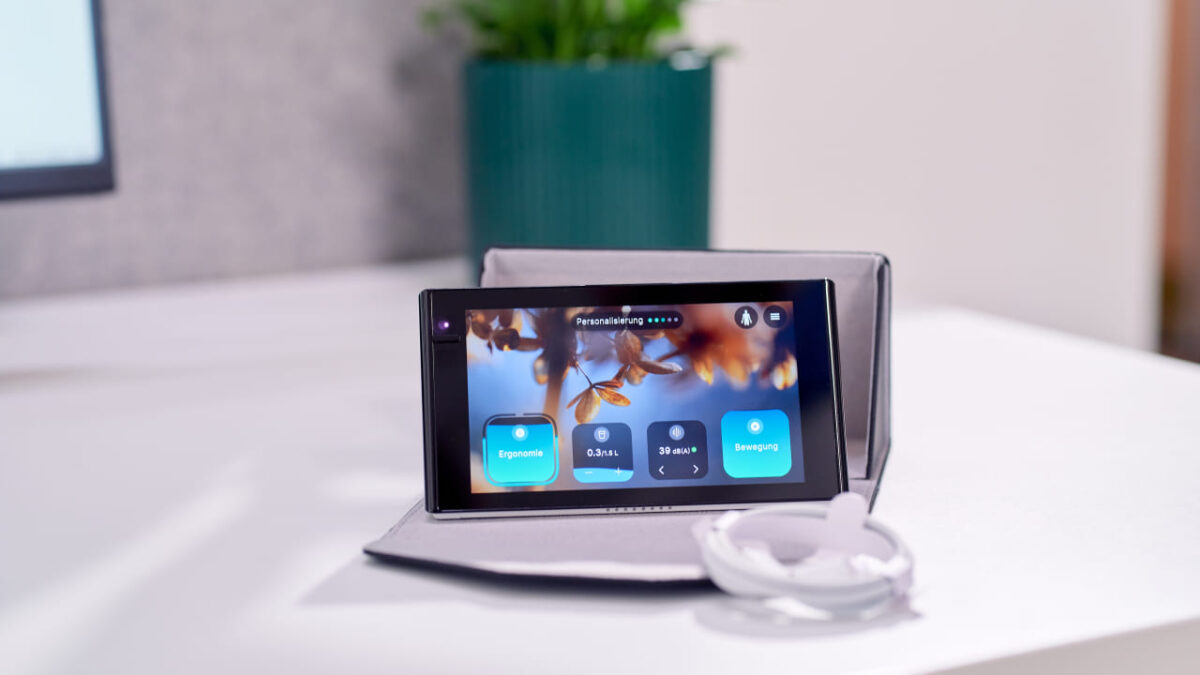
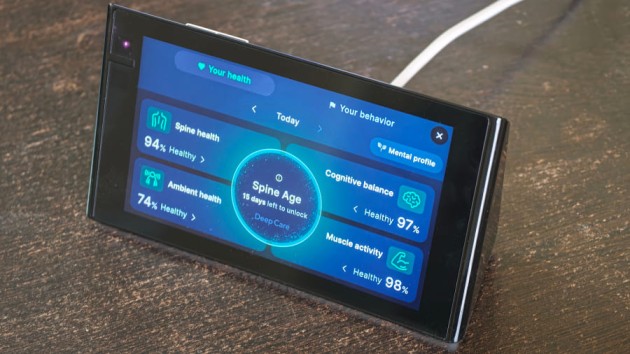
Isa is a small desk device that looks somewhat like a modern digital clock.
But instead of simply showing time, it quietly monitors your working habits throughout the day.
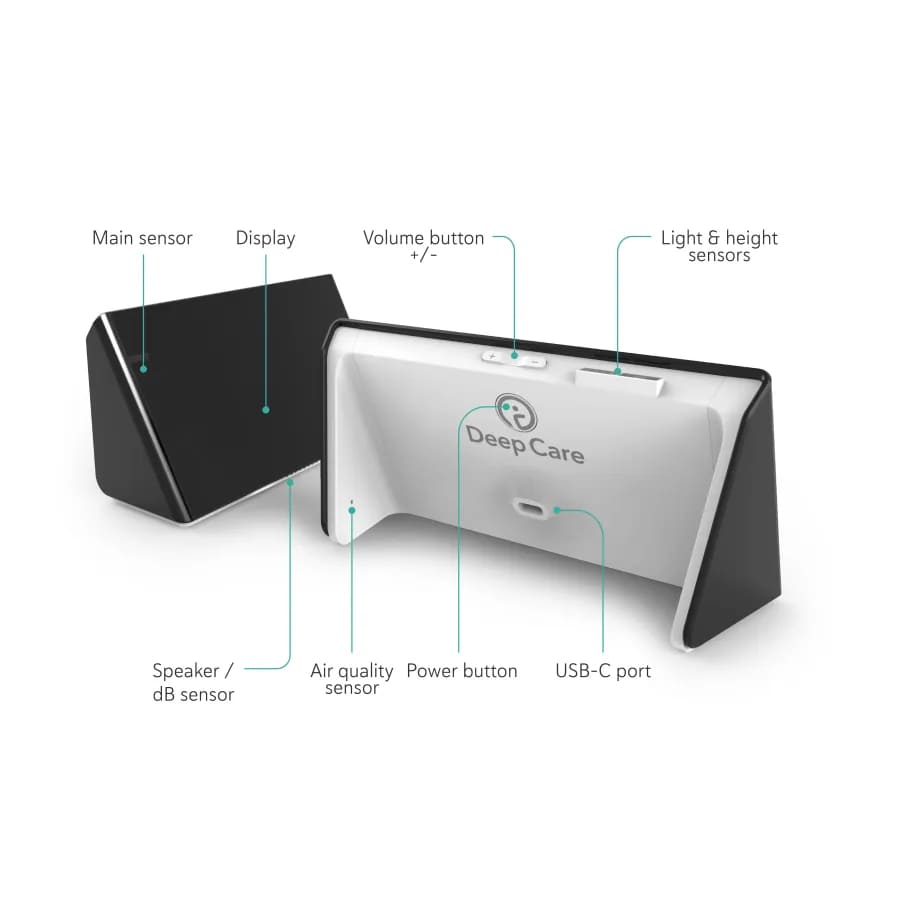
The gadget uses multiple built-in sensors to track things like:
- Sitting posture
- Movement
- Hydration reminders
- Light levels
- Noise
- Air quality
- Room conditions
One interesting part is that the device works without a traditional camera.
Instead, it uses a Time-of-Flight (ToF) depth sensor, similar to the technology used in some smartphones for facial recognition and depth detection.
That means Isa can detect posture and movement while avoiding the feeling of having a camera constantly watching you.
And honestly, in 2026, privacy-focused hardware already feels refreshing.
Why This Gadget Feels Different
The biggest problem with most wellness apps is consistency.
People install them with good intentions, but eventually stop paying attention.
Isa tries to solve that problem with physical feedback instead of simple notifications.
For example:
- The device displays posture quality using a colored ring
- Yellow and red indicators appear when posture gets worse
- Gentle vibrations remind users to sit properly
- Movement reminders encourage short breaks
- Guided exercises appear directly on the device
That physical presence on the desk seems to make a real difference.
Sometimes visual reminders work better than smartphone notifications because they stay in your peripheral vision throughout the workday.
A Small Feature That Surprisingly Works
One detail that stood out is how Isa tracks sitting posture visually.
The screen uses a circular progress-style indicator that changes color depending on how you are sitting.
At first, that sounds simple.
But according to early impressions, users often straighten their back almost automatically when they notice the indicator turning yellow or red.
Honestly, that feels very relatable.
Most people already know they should sit properly. The real issue is forgetting after getting focused on work.
Tiny reminders throughout the day can sometimes be more effective than complicated wellness systems.
The Privacy Approach Is Actually Interesting
Modern gadgets often collect huge amounts of personal data.
That is one reason many people feel uncomfortable bringing “smart” devices into their workspace.
Isa takes a slightly different approach.
The company says the device works offline for most features and does not rely on cameras. Wi-Fi is mainly used for software updates and can even be turned off manually.
That privacy-first approach could become one of its strongest selling points.
Especially as more people grow cautious about always-on surveillance technology.
There Are Still Some Limitations
Of course, the device is not perfect.
Because Isa depends on sensors instead of cameras, it can occasionally become confused.
For example:
- A water bottle placed in front of the sensor may affect tracking
- Pets walking nearby can sometimes trigger movement detection
- The device may occasionally think you are sitting still when you are not
These are relatively minor issues, but they show that sensor-based systems still have limitations.
Another challenge is pricing.
Isa costs around €299 ($354) and also includes subscription plans for advanced features like environmental monitoring and wellness tracking.
That means it is definitely aimed more at users serious about workplace wellness rather than casual buyers.
The Bigger Trend Behind Gadgets Like This
What makes Isa interesting is not just posture correction.
It reflects a much larger trend happening in technology right now.
Digital wellness is becoming a serious category.
For years, tech products mainly focused on productivity and entertainment.
Now companies are increasingly building tools around:
- Mental health
- Physical wellness
- Focus
- Sleep
- Stress management
- Healthy work habits
And honestly, that shift makes sense.
Millions of people now spend most of their day sitting in front of screens. Small health improvements during work hours can eventually make a huge difference long term.
Could AI and Wellness Gadgets Merge Further?
Deep Care also plans to expand Isa into stress and breathing analysis using posture patterns, chest movement, environmental signals, and motion tracking.
That raises an interesting possibility for the future:
Desk gadgets may eventually become quiet wellness assistants rather than simple productivity tools.
Instead of only reminding users to sit straight, future systems could potentially detect:
- Fatigue
- Stress
- Poor focus
- Burnout patterns
- Unhealthy work routines
Of course, balancing those features with privacy will remain important.
But the direction itself feels very realistic for where workplace technology is heading.
Final Thoughts
Isa may not be a gadget everyone needs immediately.
But it highlights something important about modern work culture: many people are searching for healthier ways to spend long hours at a desk.
And honestly, posture problems are far more common than most people admit.
What makes Isa interesting is that it does not try to become another overwhelming productivity system. Instead, it quietly focuses on small daily habits that people usually ignore until discomfort appears.
That simplicity may actually be its biggest strength.
As digital wellness technology continues growing in 2026, devices like Isa show how gadgets are slowly moving beyond convenience and becoming more focused on long-term health and workplace wellbeing.
Frequently Asked Questions (FAQ)
What is Isa?
Isa is a smart desk gadget designed to improve posture, movement, hydration, and workplace wellness habits.
Does Isa use a camera?
No. Isa uses depth sensors instead of traditional cameras for posture and movement tracking.
Can Isa work offline?
Yes. Most features work locally, and Wi-Fi is mainly used for software updates.
Is Isa suitable for work-from-home users?
Yes. The gadget is specifically designed for people who spend long hours working at desks.
Does Isa require a subscription?
Yes. Some advanced features like environmental monitoring require additional subscription plans.
🔗 Read More on VitalStack
- AI Market Growth Statistics in 2026: How Fast Is the Industry Growing?
- Osaurus Wants to Make AI More Personal and Private on Mac
- OpenAI Introduces ChatGPT Finance Tools That Connect to Bank Accounts
- Amazon’s New AI Shopping Assistant Powered by Alexa+
- Digital Health Trends in 2026: What’s Changing in Healthcare?
Enjoyed this article?
Subscribe for weekly deep-dives on AI and health — straight to your inbox.