
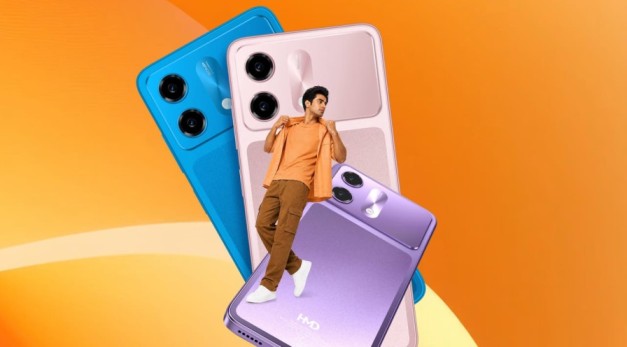
HMD Global has launched a new smartphone in India called the Vibe 2 5G, and one thing making headlines is its built-in support for an Indian AI chatbot called Indus.
The chatbot was developed by Indian AI startup Sarvam AI and is designed specifically for Indian users and regional languages.
Honestly, this partnership shows how AI companies are now trying to make technology more local and accessible for Indian users instead of focusing only on English-speaking audiences.
The Phone Comes With an Indian AI Assistant Preinstalled
The new Vibe 2 5G smartphone includes the Indus AI app already installed inside the device.
Unlike many AI assistants that mainly focus on English, Indus supports:
- 22 Indian languages
- Hindi-English mixed conversations
- Regional language understanding
- Context-aware responses
This is important because many Indian users naturally switch between languages while speaking or typing.
For example:
Someone may type:
“Kal meeting kitne baje hai and location kya hai?”
And the AI is designed to understand both Hindi and English together naturally.
Honestly, this makes the experience feel much more practical for everyday Indian users.
The Smartphone Targets Budget Users in India
The Vibe 2 5G is priced around ₹10,999, which places it in the affordable mid-range smartphone category.
The phone includes:
- 6,000mAh battery
- 5G support
- Android operating system
- Preloaded AI chatbot
And honestly, combining AI features with affordable smartphones could help AI tools reach many more users across smaller cities and towns in India.
Why This Partnership Matters
Right now, global AI tools like OpenAI ChatGPT dominate the AI market.
But many international AI systems still mainly focus on English usage.
India, however, is a multilingual country where millions of users:
- Prefer regional languages
- Mix languages naturally
- Use feature phones or affordable devices
That’s where companies like Sarvam AI are trying to build something more localized.
And honestly, this could become one of the biggest opportunities for AI growth in India over the next few years.
HMD Is Also Planning AI Feature Phones
Interestingly, HMD says it may also launch feature phones with Sarvam AI integration in the future.
That could become a much bigger story.
Why?
Because feature phones are still widely used across India, especially in:
- Rural areas
- Small towns
- Budget-conscious markets
If AI assistants become available on lower-cost devices, AI adoption in India could grow far beyond urban smartphone users.
The Competition Is Still Huge
Even though the idea sounds promising, Indus still faces massive competition.
According to reports:
- Indus has crossed around 293,000 downloads
- ChatGPT reportedly crossed over 43 million downloads in India
So honestly, the gap is still very large.
But many experts believe local language AI could become increasingly important as more Indian users come online.
India’s AI Market Is Growing Rapidly
Sarvam AI has already become one of India’s most talked-about AI startups.
The company is reportedly working on:
- Voice AI systems
- Enterprise AI tools
- Regional AI solutions
- Large language models trained for India
Reports also suggest the startup may raise significant funding at a multi-billion-dollar valuation.
And honestly, India’s AI ecosystem is starting to grow much faster now compared to just a few years ago.
Final Thoughts
The partnership between HMD and Sarvam AI highlights an interesting shift happening in India’s technology market.
Instead of only relying on global AI platforms, companies are now trying to build AI systems designed specifically for Indian languages and users.
Whether the Indus AI assistant becomes widely successful or not, this move shows that regional AI experiences may become an important part of India’s digital future.
And honestly, making AI easier to use in local languages could help millions of new users feel more comfortable with AI technology for the first time.
🔗 Read More on VitalStack
- AI Market Growth Statistics in 2026: How Fast Is the Industry Growing?
- This Smart Desk Gadget Helped Me Fix My Posture While Working From Home
- Osaurus Wants to Make AI More Personal and Private on Mac
- OpenAI Introduces ChatGPT Finance Tools That Connect to Bank Accounts
- Amazon’s New AI Shopping Assistant Powered by Alexa+
- Digital Health Trends in 2026: What’s Changing in Healthcare?
Enjoyed this article?
Subscribe for weekly deep-dives on AI and health — straight to your inbox.