
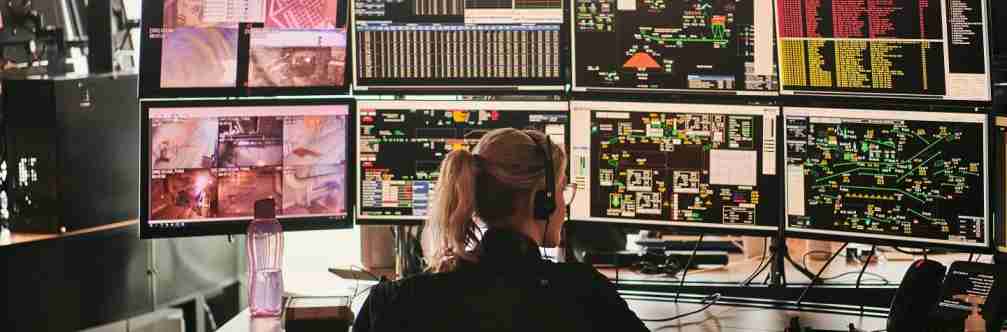
Artificial intelligence is becoming an important part of the mining industry, helping companies improve productivity while reducing operational risks.
Mining giant BHP says AI is no longer just a technology experiment. Instead, it has become a practical tool that supports daily business decisions across mining sites, processing plants, and maintenance operations.
By analyzing data collected from thousands of sensors, AI helps detect equipment issues early, optimize resource usage, and improve workplace safety.
AI Focuses on Business Problems First
Rather than asking where AI could be used, BHP focused on identifying repetitive business decisions that could be improved using better data.
The company introduced AI in areas where measurable improvements could be achieved, including equipment reliability, operational efficiency, and resource management.
Each AI project was linked to clear business goals and performance indicators, making it easier to measure real-world results.
Predictive Maintenance Reduces Equipment Failures
One of BHP’s biggest AI applications is predictive maintenance.
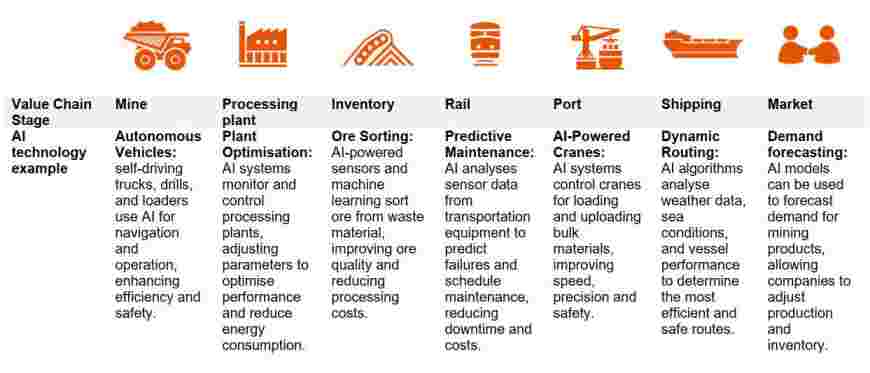
AI systems continuously analyze machine data from mining trucks, conveyors, and heavy equipment. Instead of waiting for machinery to fail, the technology predicts potential problems before breakdowns occur.
This approach helps reduce maintenance costs, minimize downtime, and improve worker safety by preventing unexpected equipment failures.
AI Helps Save Water and Energy
BHP is also using AI to improve environmental sustainability.
At its Escondida mining operations in Chile, AI-powered monitoring systems have helped reduce water and energy consumption by identifying operational inefficiencies and recommending real-time adjustments.
According to the company, these improvements have saved billions of liters of water and significant amounts of electricity while maintaining production efficiency.
Smarter Mining Operations with AI
Beyond maintenance, BHP is expanding AI into autonomous mining equipment, remote operations, and employee safety.
The company uses AI-assisted systems to support autonomous vehicles and monitor equipment across remote mining sites. Wearable technology also helps track worker fatigue and health conditions, allowing supervisors to respond quickly if safety risks are detected.
These technologies help reduce human error while creating safer working environments.
Lessons for Other Businesses
BHP believes companies across manufacturing, logistics, construction, and utilities can benefit from a similar AI strategy.
Instead of implementing AI everywhere at once, businesses should begin with a specific operational challenge, establish clear performance goals, and ensure employees can act on AI-generated insights.
A gradual, measurable approach allows organizations to build confidence while delivering meaningful business value.
Why This Matters
As industries continue investing in digital transformation, BHP’s approach shows that AI delivers the greatest value when focused on solving practical business challenges rather than simply adopting new technology.
Companies that combine operational expertise with AI-driven insights can improve efficiency, lower costs, enhance sustainability, and make better decisions in real time.
Read More on VitalStack
- Travel App Hopper to Pay $35 Million FTC Settlement Over Hidden Fees
- US Homeland Security Investigates New Cyberattack on Intelligence Sharing Network
- Dune AI Keypad Brings One-Tap Meeting Controls to MacBooks
- Acti Launches AI Keyboard That Brings Smart AI Agents to Every App
- Clicks Unveils BlackBerry-Inspired Smartphone Ahead of Official Launch
Enjoyed this article?
Subscribe for weekly deep-dives on AI and health — straight to your inbox.