

Spyware attacks are becoming far more common in 2026, especially against journalists, activists, researchers, and people working in sensitive industries.
According to recent reports, companies like Apple, Google, and Meta are now encouraging users to enable advanced security features designed specifically to reduce the risk of sophisticated spyware attacks.
And honestly, most people still don’t even know these protections exist on their phones.
Spyware Has Become A Serious Digital Threat
Modern spyware is extremely advanced.
Unlike normal malware, spyware can secretly:
- Access messages
- Record calls
- Track location
- Read emails
- Activate microphones and cameras
- Monitor app activity
In many cases, users don’t even realize their devices were compromised.
Some attacks now use “zero-click” methods, meaning a person does not even need to open a suspicious link for spyware to infect the device.
And honestly, that’s what makes these attacks so concerning.
Apple’s Lockdown Mode Adds Extra Protection
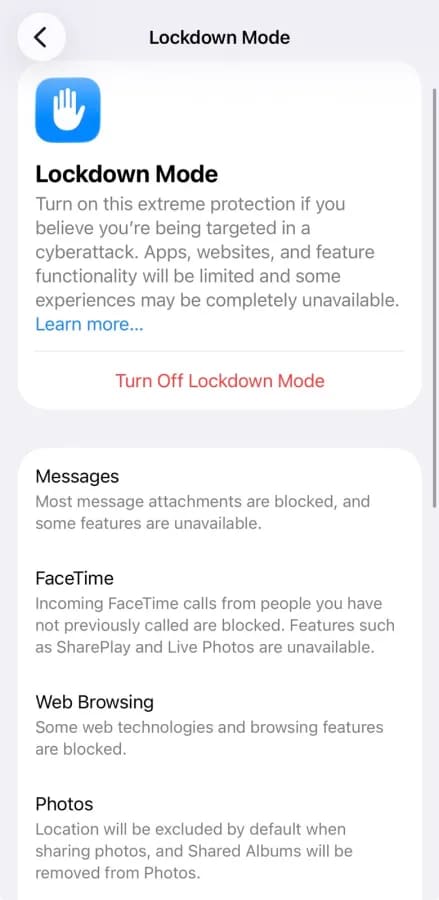
Apple introduced a feature called Lockdown Mode for iPhones, iPads, and Macs.
The feature intentionally limits certain phone functions to reduce possible attack methods used by spyware tools.
When enabled, Lockdown Mode:
- Blocks suspicious message attachments
- Limits unknown FaceTime calls
- Restricts risky web technologies
- Disables insecure Wi-Fi connections
- Prevents automatic accessory connections
- Improves protection against targeted attacks
Security researchers previously reported that Lockdown Mode successfully blocked certain spyware attacks linked to Pegasus spyware.
Honestly, while some features may feel slightly restricted, many security experts say the protection is worth it for people handling sensitive information.
Google Also Expanded Android Security Features
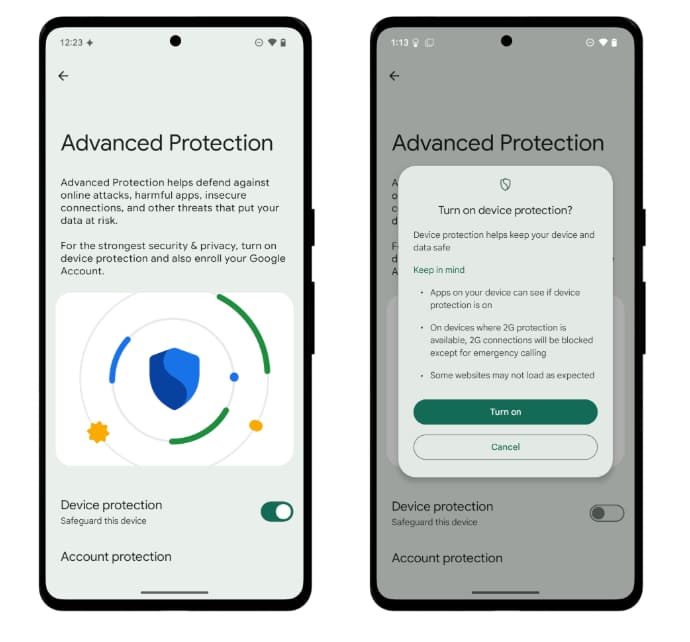
Google now offers Advanced Protection features for Android devices and Google accounts.
These protections include:
- Blocking unsafe app installations
- Detecting suspicious activity
- Enabling stronger phishing protection
- Blocking risky 2G network connections
- Automatic device locking during suspicious activity
- Enhanced safe browsing protections
Google has also added optional Intrusion Logging tools that may help security researchers investigate spyware attacks more effectively.
WhatsApp Added Stricter Privacy Protections Too
WhatsApp has also introduced stronger optional security settings.
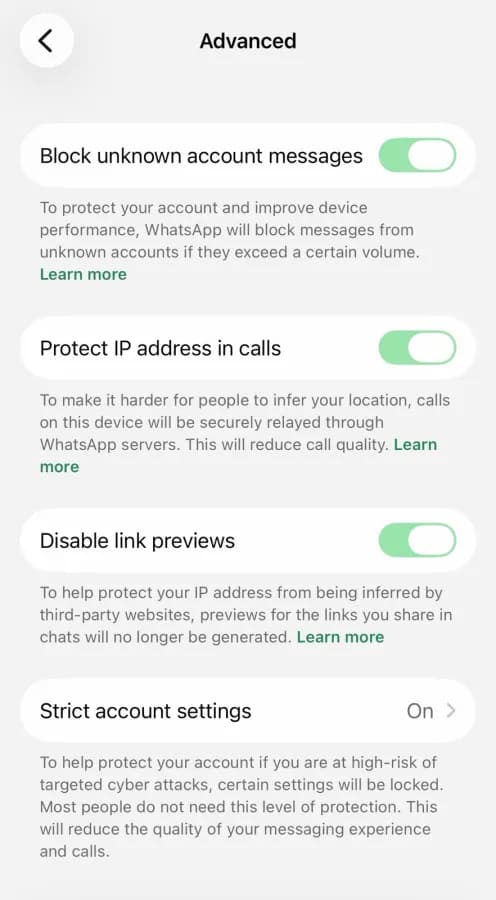
The company says the new protections can:
- Silence calls from unknown numbers
- Hide profile details from strangers
- Disable risky link previews
- Improve account verification
- Block unwanted group additions
- Increase account security overall
WhatsApp has previously warned users about spyware campaigns targeting journalists and public figures through messaging systems.
Why These Features Actually Matter
Honestly, many people assume advanced cybersecurity tools are only for experts or large companies.
But today, smartphones contain almost everything about a person’s life:
- Photos
- Conversations
- Banking apps
- Emails
- Personal files
- Real-time location
That’s why companies are now focusing more heavily on mobile security.
Even if someone is not a journalist or activist, enabling stronger security settings can still help reduce digital risks.
Most People Never Change Default Security Settings
One surprising thing is how many users never explore their phone’s privacy or security settings at all.
Many advanced protections are available for free but remain disabled by default because:
- Users don’t know they exist
- People think they are too technical
- Some fear limited functionality
But honestly, many security researchers now recommend enabling these features whenever possible, especially for users handling important personal or professional information.
Final Thoughts
Spyware attacks are becoming more sophisticated every year, and smartphones are increasingly becoming major targets for digital surveillance.
That’s why companies like Apple, Google, and WhatsApp are adding stronger optional protections directly into their platforms.
Some of these security settings may slightly change how devices behave.
But honestly, for many users, improving privacy and reducing digital risks is becoming more important than convenience alone.
And in 2026, understanding basic phone security is slowly becoming something every smartphone user should care about.
🔗 Read More on VitalStack
- AI Market Growth Statistics in 2026: How Fast Is the Industry Growing?
- This Smart Desk Gadget Helped Me Fix My Posture While Working From Home
- Osaurus Wants to Make AI More Personal and Private on Mac
- OpenAI Introduces ChatGPT Finance Tools That Connect to Bank Accounts
- Amazon’s New AI Shopping Assistant Powered by Alexa+
- Digital Health Trends in 2026: What’s Changing in Healthcare?
Enjoyed this article?
Subscribe for weekly deep-dives on AI and health — straight to your inbox.